Embodied carbon emissions in detached housing — Explainer
With the Australian Government aiming to build 800,000 new detached homes over the next five years, carbon emissions from construction and materials are set to increase significantly.



Known as embodied carbon, these emissions remain largely unaddressed in policy, building practices and regulation.
The good news is that practical, cost-effective solutions already exist. This explainer comes at a time when governments across the country are implementing policy towards expanding housing construction.
Now is the time to consider the associated carbon emissions and the ways to reduce them.
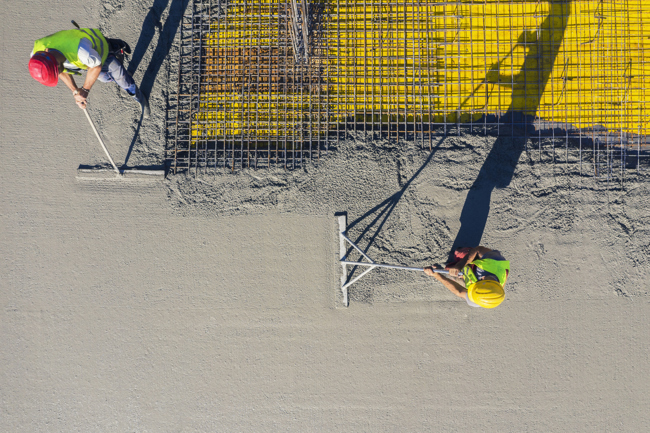
Building construction consumes around 50% of raw materials worldwide. The carbon emissions generated during the mining, processing, manufacturing, and transport of those materials — before a building is even occupied — are known as embodied carbon. Embodied carbon also covers emissions from building practices, maintenance, repair, renovation, replacement and eventual demolition over a building’s lifecycle, but excludes the energy used to operate the building while occupied.

Diversity and Inclusion
Reconciliation Action Plan Equity, diversity and inclusion policy Diversity & Inclusion ToolkitConnect


Australian Academy of Technological Sciences & Engineering
Level 2, 28 National Circuit Forrest ACT 2603
+61 2 6185 3240 | info@atse.org.au
ABN 58 008 520 394 — ATSE is registered with the Australian Charities and Not-for-profits Commission,
and is a Deductible Gift Recipient (DGR).