New Fellows 2026
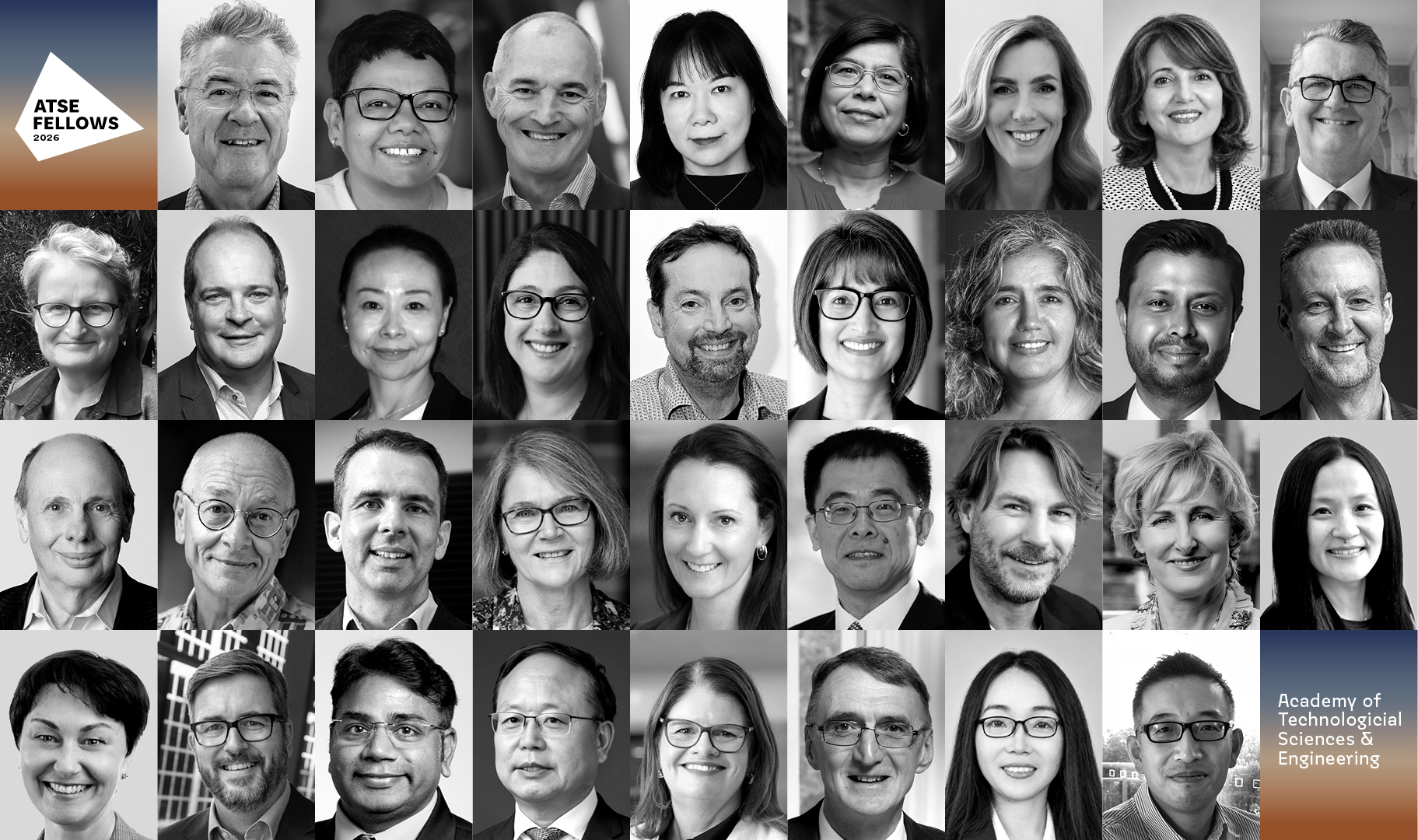
Our new ATSE Fellows for 2026 are exceptional leaders in Australian STEM.


Our new ATSE Fellows for 2026 are exceptional leaders in Australian STEM.
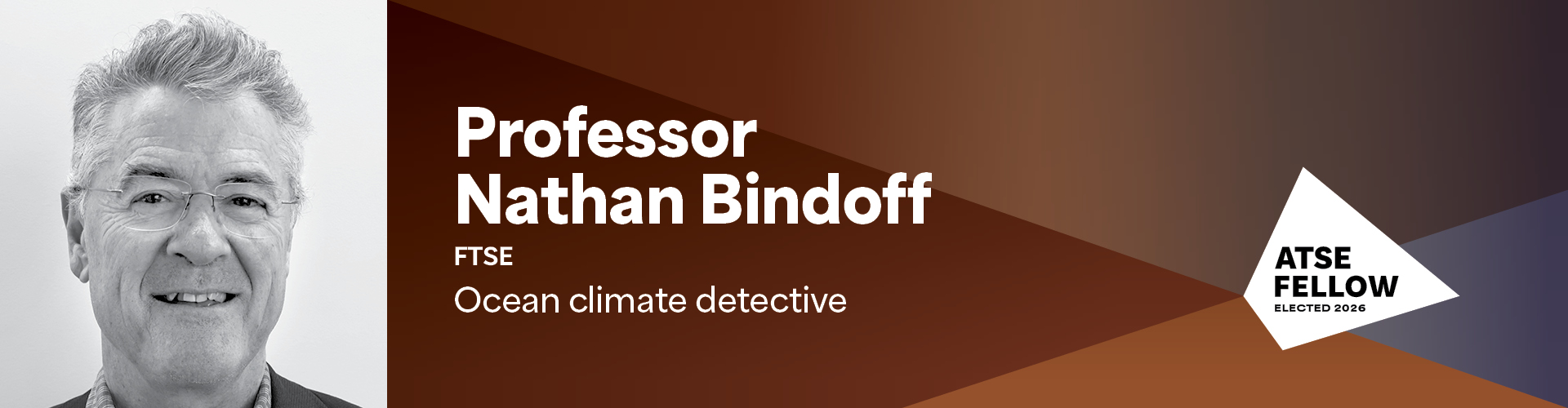
Professor Nathan Bindoff, a world-leading ocean and climate scientist, has made significant contributions to the detection, attribution and impact of climate change. He has documented global ocean shifts – including marine heatwaves, a reduction of oxygen content and an acceleration of the global water cycle – alongside transforming global oceanographic data management. Professor Bindoff was lead author on three chapters in successive Intergovernmental Panel on Climate Change Assessments and played a key role in writing the highly influential Summaries for Policymakers. He established and led the award-winning Climate Futures for Tasmania program, delivering high-resolution climate projections and adaptation information to the Tasmanian and Victorian governments, and a range of industries spanning wine, snowsports and energy. Professor Bindoff also led the Australian Antarctic Program Partnership, directing interdisciplinary science and translating the knowledge into policy advice.
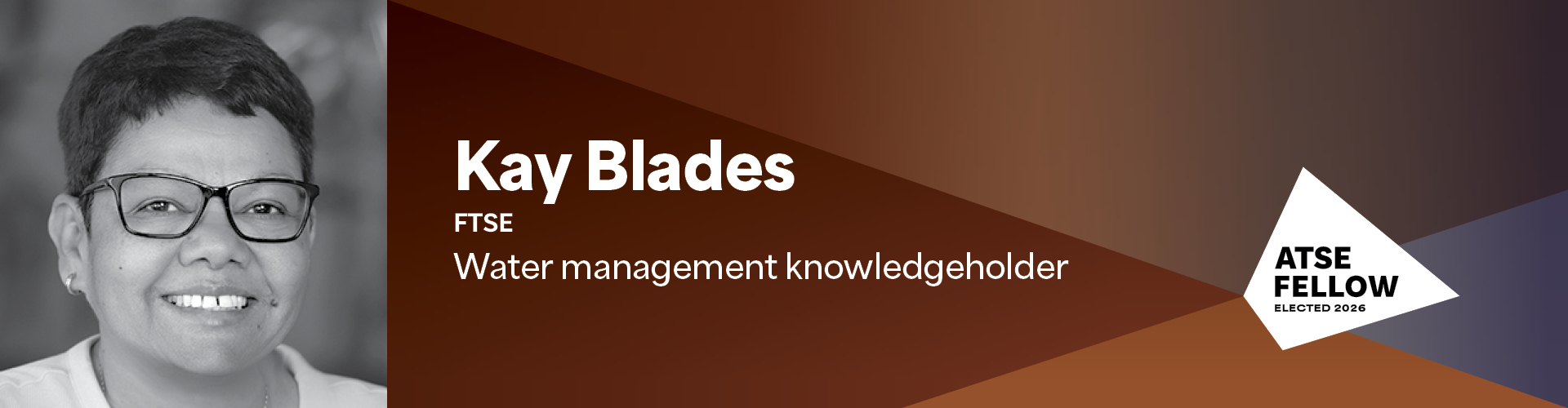
Kay Blades is a Mandandanji woman whose life and leadership are deeply connected to the Balonne River in southern Queensland. Growing up on the riverbanks, her Water Country lies in the northern reaches of the Murray–Darling Basin. Her work in the water space is grounded in a profound cultural responsibility to look after Country. As a leading voice for Aboriginal water rights and interests, she has advised the Australian Government on the new National Water Agreement, and the Murray-Darling Basin Authority on the Native Fish Recovery Strategy. She has also led a project to incorporate Traditional Knowledge, Indigenous leadership and Self-determination into water modelling and waterways assessment – an example of her ability to move confidently between Indigenous knowledge systems and Western science, engineering and technology. By bridging these worlds, Blades’ impact is particularly powerful, reshaping conversations about water management to ensure they are culturally informed, environmentally sustainable and socially just.
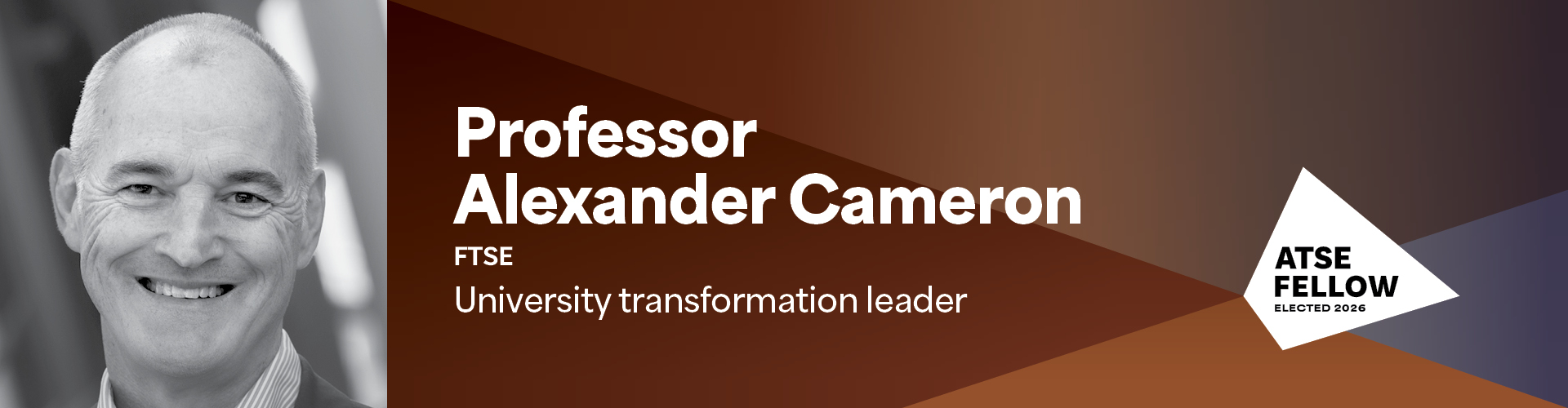
Professor Alec Cameron is an engineer and educator who has demonstrated outstanding leadership at the intersection of advanced technology, complex organisations and public purpose. His career includes senior leadership roles in telecommunications and digital infrastructure, driving large-scale national technology deployments and major capital investment. He has since led technology universities in Australia and the United Kingdom, shaping the complex systems of research, skills and collaboration that underpin national technological capability. As Vice-Chancellor and President of RMIT University, he has advanced applied research, innovation-led education and workforce development at scale. Through multiple executive, advisory and board director roles, Professor Cameron’s governance and strategic expertise are actively shaping how science and engineering deliver economic and societal benefit.
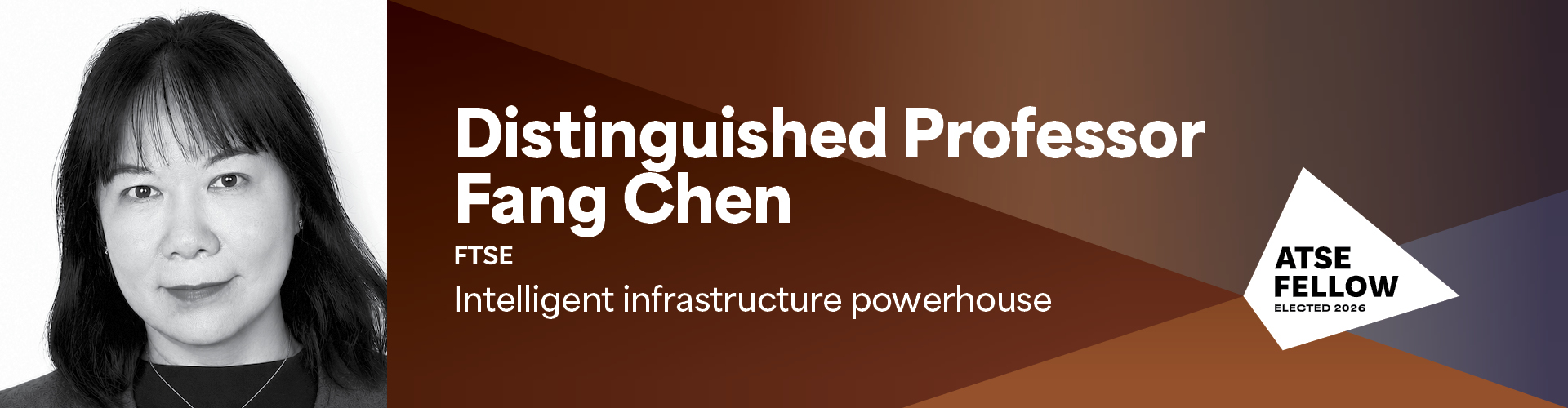
Distinguished Professor Fang Chen is a global authority on data science and AI, delivering transformative impact across critical infrastructure. Her predictive analytics platform for managing major assets has been adopted globally by more than 30 utilities, delivering billions in estimated economic benefit and social impact. This includes predictive water infrastructure management, Sydney Harbour Bridge structural monitoring, multimodal transport resilience optimisation and intelligent congestion management. She also pioneered multimodal cognitive load measurement systems deployed in many emergency management centres, strengthening decision-making under pressure. She has contributed deep technical expertise to national innovation strategy and policy, and to Australia’s first public sector AI Assurance Framework in NSW. Her translation of deep technology into measurable societal, environmental and economic outcomes has been recognised by the Eureka Prize for Excellence in Data Science, the NSW Premier’s Prize for Science and Engineering and Transport Woman of the Year award.
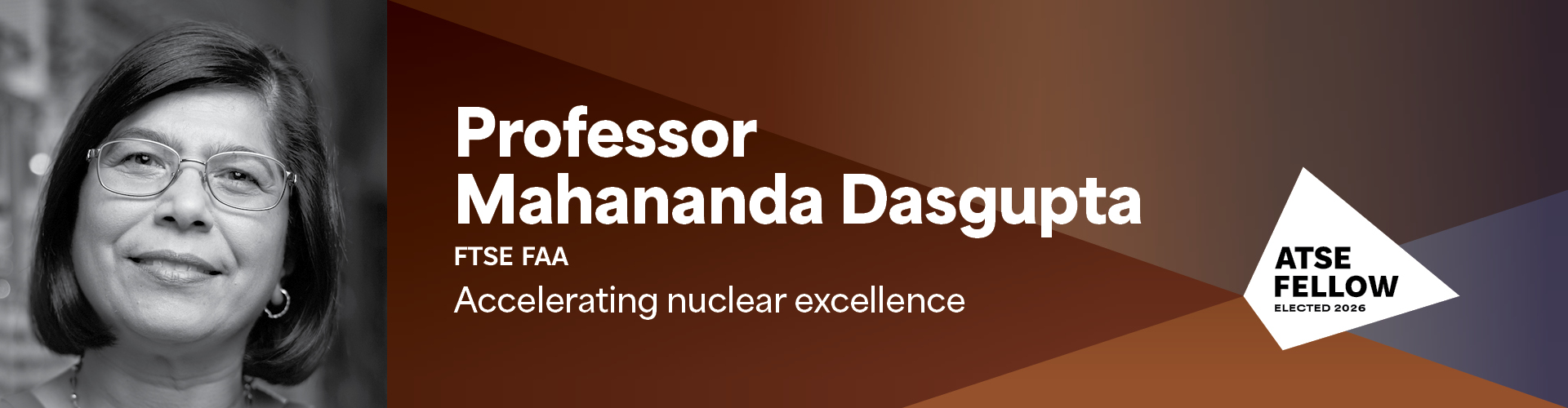
Professor Mahananda Dasgupta is a world-leading nuclear physicist known for pioneering contributions to nuclear reactions and advanced instrumentation. Her precision measurements revealing the effects of quantum processes in nuclear fusion redirected research worldwide. Leading the Heavy Ion Accelerators national infrastructure capability, she has championed applications across nuclear, quantum, environmental, defence and space research, developing this large-scale sovereign infrastructure to meet national needs. In partnership with industries and universities, she is leading a training centre to address the nuclear-science skills shortage. She also initiated programs to increase and sustain diversity in STEM. Professor Dasgupta has provided expertise and global insights to decision-makers as a member of the National Science and Technology Council. She is an elected Fellow of the Australian Academy of Science and the American Physical Society and has been recognised with prestigious awards including the Pawsey Medal.
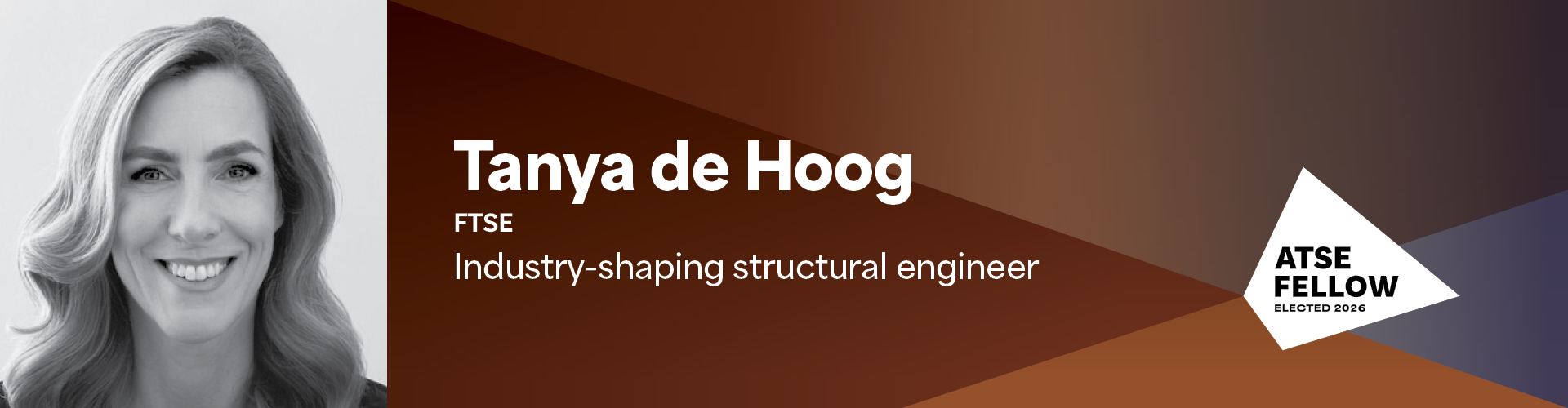
Tanya de Hoog has advanced structural engineering practice by integrating technical excellence with environmental performance and social value. With nearly 30 years of design experience across Australia, the UK and the US, she has led award-winning and landmark projects around the world. At Aurecon, she leads enterprise-wide efforts to strengthen quality, technical excellence, capability and purposeful innovation across an Asia Pacific engineering consultancy. Her leadership support in embodied carbon integration allowed emerging research to be converted into practical tools now embedded in mainstream project delivery. In 2019, she founded and led Thornton Tomasetti’s ‘Doing Good Business’ New York initiative, linking engineering delivery with measurable community outcomes. As 2024 President of the Institution of Structural Engineers, she used her international platform to raise the profession’s visibility and its responsibilities to people and the planet.. She is a strong advocate for the vital role of engineers in driving climate action, upholding public safety and positively impacting communities.
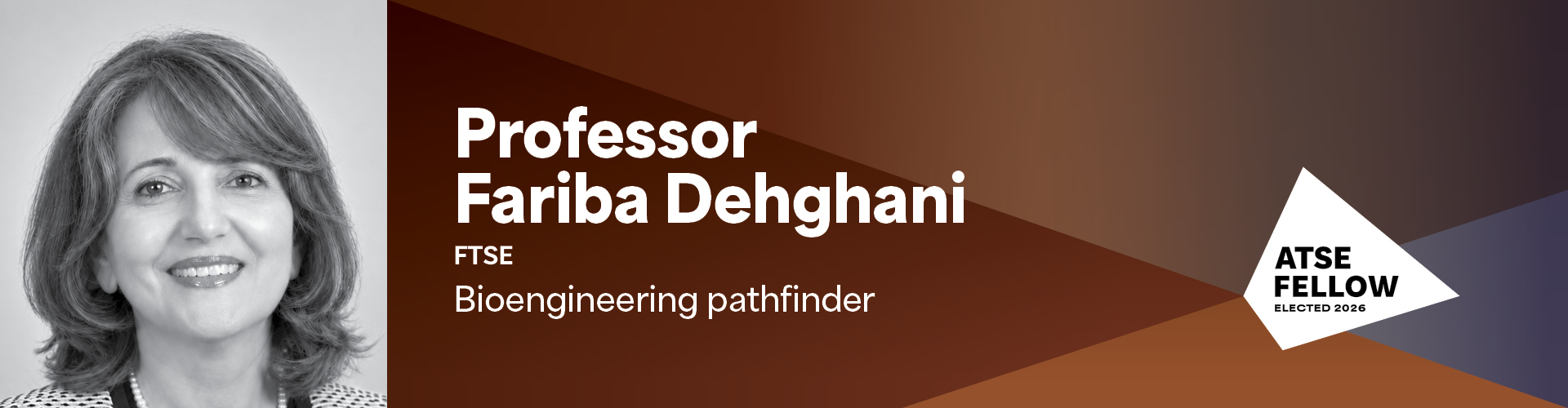
Professor Fariba Dehghani is a chemical engineer and entrepreneur globally recognised for engineering biomaterials with real-world health and sustainability applications. Her expertise spans material synthesis, processing and scale‐up, enabling translation of laboratory discoveries into commercial products. She has led the development of advanced materials and technologies adopted by major industry partners, including innovative medical implants, biosensors for monitoring food safety and sterilisation technologies. She is an award‐winning mentor and an inclusive leader building research capacity, with almost 200 trainees (comprising more than 50% women) going on to secure leadership roles in academia and industry, including six successful companies founded in New South Wales. She has also contributed to establishing the University of Sydney’s Women in STEM mentoring program. Through her longstanding service to the Australian Research Council, she has contributed in shaping national research priorities and provided expert funding guidance.
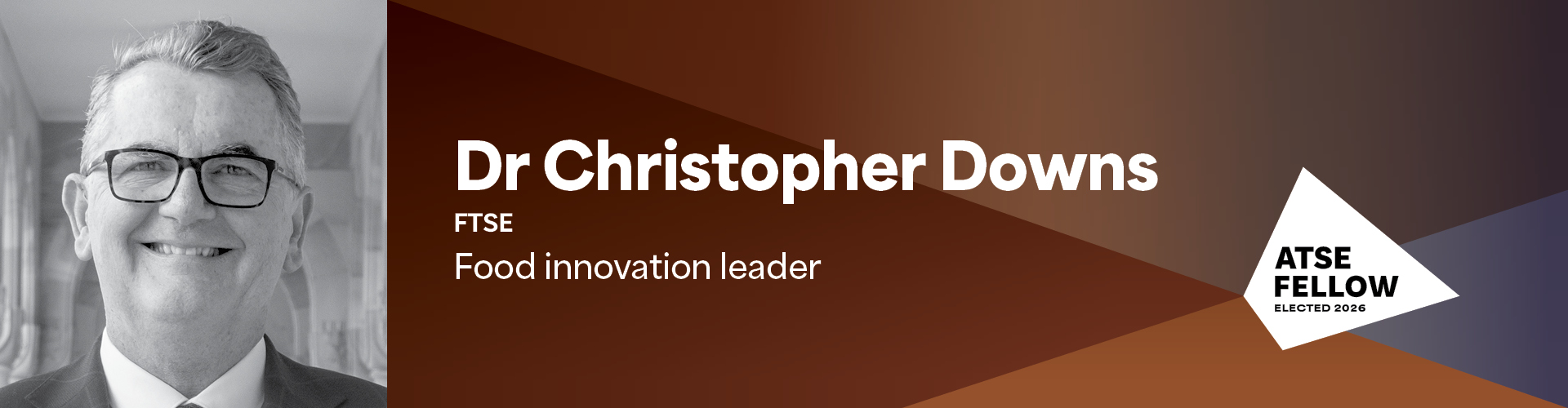
Dr Chris Downs is a globally recognised leader in food system innovation, operating at the interface of industry, academia and government. Across Australia, New Zealand and the USA, he has led large-scale investment in applied science, technology commercialisation and institutional change to deliver tangible industry impact. At Australia’s $185 million Food and Beverage Accelerator, he has driven industry-led commercialisation of university research and new approaches to investment, incentives and intellectual property. Through his appointment to the National Food Council, he is shaping Australia’s National Food Security Strategy, Feeding Australia. A strong advocate for STEM capability and workforce development, Dr Downs has held senior executive and board roles with national and international professional bodies, including the Institute of Food Technologists USA. He is a mentor to emerging leaders, founders and CEOs, and a respected international speaker and advisor on the future of food systems.
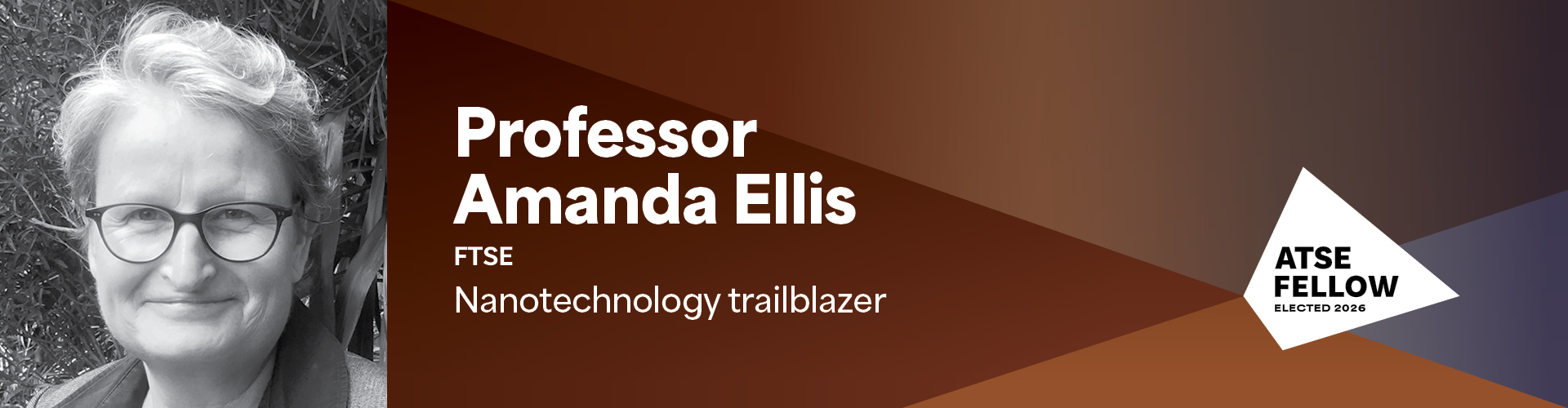
Professor Amanda Ellis is a leading applied chemist and nanotechnology researcher. She is internationally recognised for her work in surface and interface science, with diverse applications spanning energy harvesting and storage, DNA nanotechnologies and sustainable building materials. Her patented inventions include turbostatic carbon films, transparent electrodes, DNA genotyping, antibiofouling membranes and nanoscale device fabrication. Through collaborations with industry, Professor Ellis has translated surface science into practical technologies including Australian banknotes, desalination membranes and lithium-ion battery anodes. She has extensive senior leadership experience, having led complex, multi-institutional projects and diverse strategic portfolios across science and engineering. Currently President of the Royal Australian Chemical Institute, she has received multiple honours recognising significant contributions to leadership, innovation and professional service.
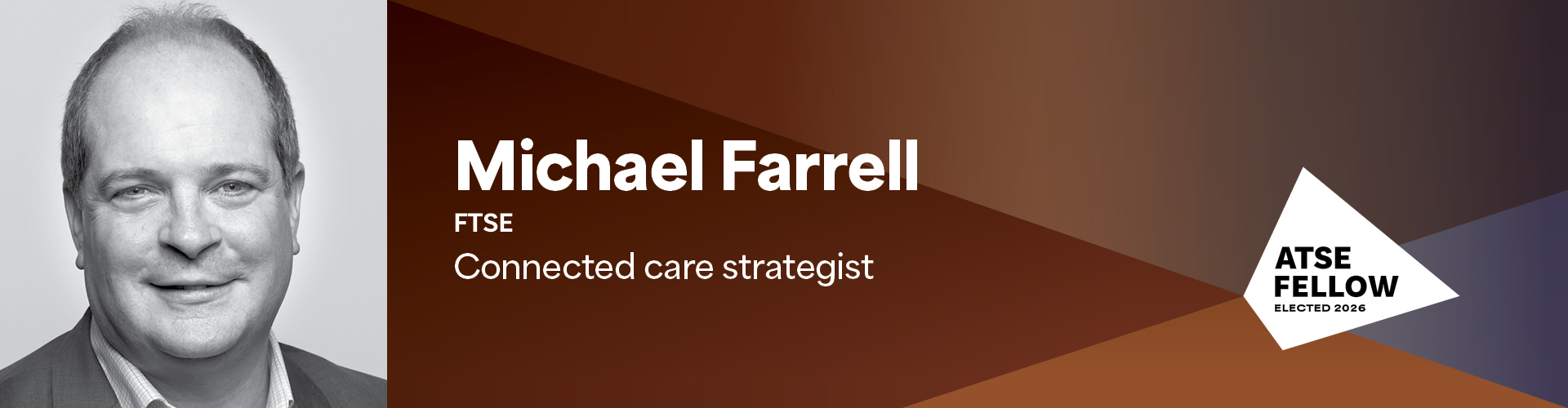
Michael Farrell is an engineer-turned-executive who since 2013 has served as the CEO of Resmed, an Australian-founded medtech powerhouse in sleep health, breathing health and digital health technology delivered into the home. Under his leadership, Resmed has grown from a sleep apnoea device manufacturer into a connected healthcare technology leader, serving tens of millions of patients worldwide. Farrell guided this digital health transformation, embedding connectivity into devices and building the world’s largest repositories of respiratory health data. These innovations have improved patient outcomes while reducing overall healthcare system costs. He has also overseen significant global growth, strategic acquisitions and growing investments in R&D, strengthening Australia’s reputation for high-impact medical technology innovation. Farrell also serves on the boards of the Advanced Medical Device Association (AdvaMed) and Zimmer BioMet, a world-leading provider of implantable musculoskeletal medical devices.
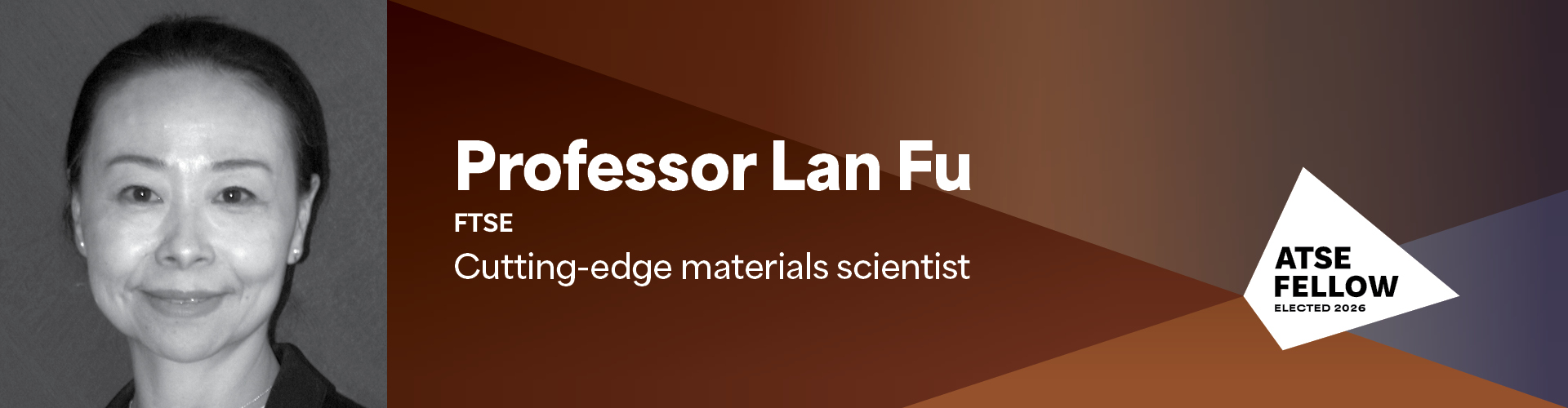
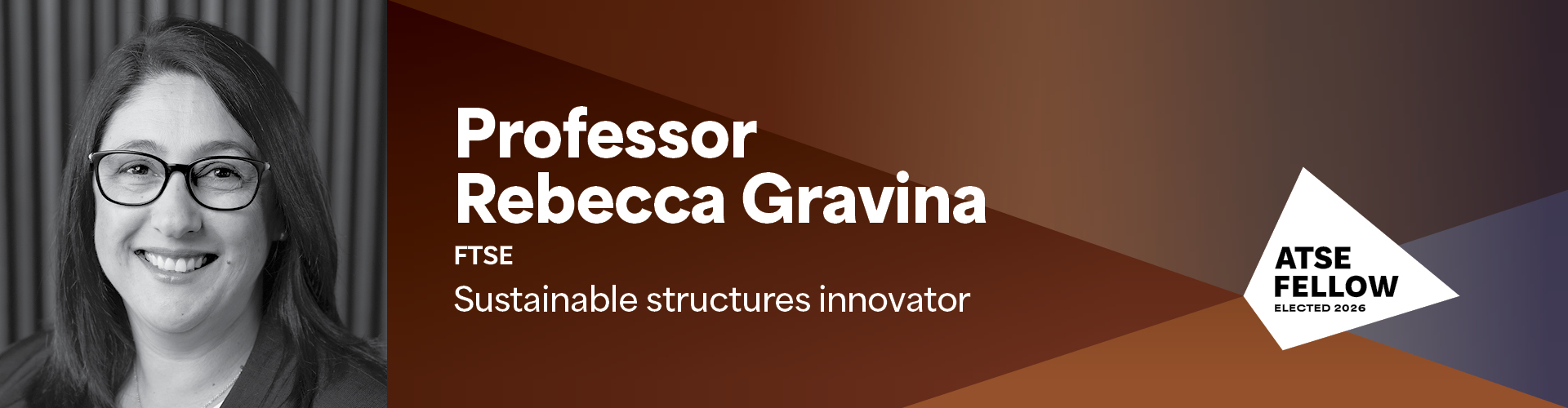
Professor Rebecca Gravina is a leading expert in structural engineering, driving the decarbonisation of the built environment through innovations in low-carbon concrete, fibre-reinforced polymers and recycled materials. Her fundamental research on ductility and bond-slip behaviour has critically shaped national and international standards, ensuring infrastructure resilience and enabling the circular economy. Professor Gravina leads a multimillion-dollar program modernising Queensland’s transport network, delivering evidence-based guidance that improves sustainability, resilience and structural reliability through innovative materials and performance-based design. As Executive Director of the Australasian Certification Authority for Reinforcing and Structural Steels, she ensures the compliance of critical steel supply chains. Her expertise has been applied in world-leading projects like the Westgate Bridge strengthening. Professor Gravina is a former Chair of Engineers Australia’s National Committee for Women in Engineering and is an advocate for diversity in the engineering profession.
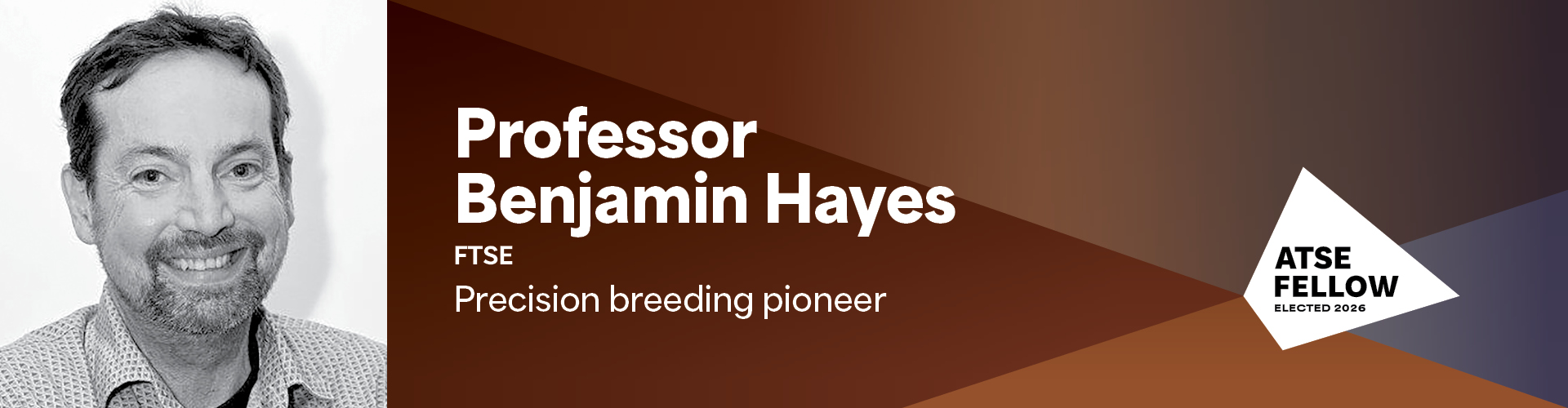
Professor Ben Hayes has made exceptional contributions to agricultural productivity and sustainability through the development and application of cutting-edge breeding technologies. He is a co-inventor of genomic selection, an approach that has revolutionised livestock and crop breeding globally and led to major advances in human health. He was also instrumental in implementing optimal haplotype selection for breeding crops which will be a foundation for other applications including gene editing and synthetic biology. Professor Hayes has built large multidisciplinary initiatives. He initiated and led the 1000 Bull Genomes Project, a consortium of 32 institutes worldwide that is now a global reference point for cattle genomics. He is Research Director for the Zero Net Emissions from Agriculture Cooperative Research Centre, working with 65 industry partners to roll out emissions reduction technologies. He plays a pivotal role in capacity building, training and mentoring staff and students.
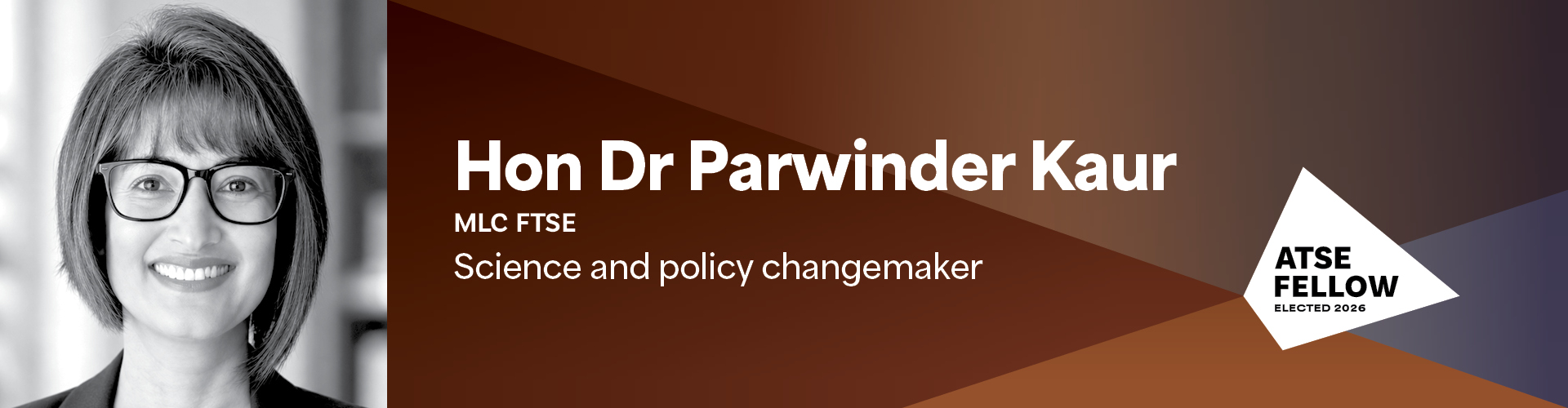
Hon Dr Parwinder Kaur MLC is a distinguished scientist, award-winning innovation leader and Member of the Parliament of Western Australia, advancing science, technology and inclusive public policy. A DNA expert, her work advanced biodiversity genomics, agricultural resilience and translational biotechnology. Dr Kaur founded the Australian chapter for DNA Zoo, a global genomics consortium, enabling the genome sequencing of more than 45 iconic Australian species. Elected in 2025 to the Legislative Council of Western Australia, she has brought scientific depth and inclusive leadership to decision-making. She served as special advisor on the Western Australian 10-year Science and Technology Plan and contributed to the Australian Government’s Pathways to Diversity in STEM Review. She has also established the Parliamentary Friends of Science, Medical Advancement, Research, Technology and Talent (SMARTT) to champion innovation and catalyse collaboration.
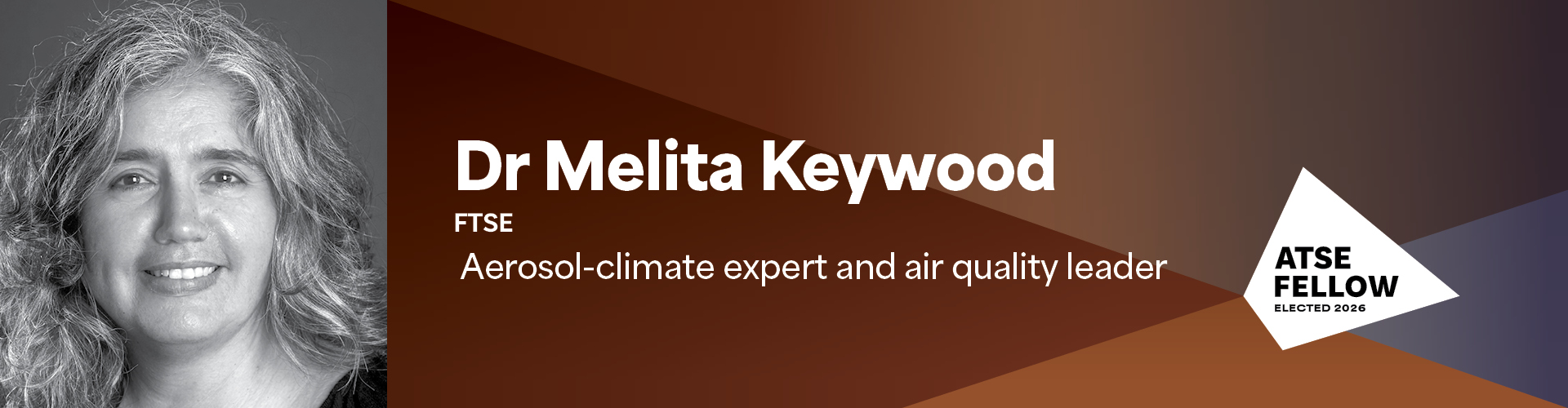
Dr Melita Keywood has made outstanding contributions to air quality, aerosol and climate science. Her research has transformed our understanding of aerosols – such as pollution from cities and bushfires – and their impacts on people, ecosystems and climate. For almost three decades, Dr Keywood has led nationally significant observing programs and contributed to the development and advancement of atmospheric observing capabilities that track changes in air pollution and the drivers of climate change. She has also built new observing technologies and research infrastructure. Her research has advanced understanding of particulate pollution in NSW and Victoria, identifying air quality policy issues and knowledge gaps. Under her leadership, long-term observations from Australia’s Kennaook/Cape Grim weather station provide some of the only Southern Hemisphere data essential for improving climate models and informing global climate and environmental assessments. She has translated scientific insights into practical outcomes, informing policies and strengthening environmental regulation and verification.
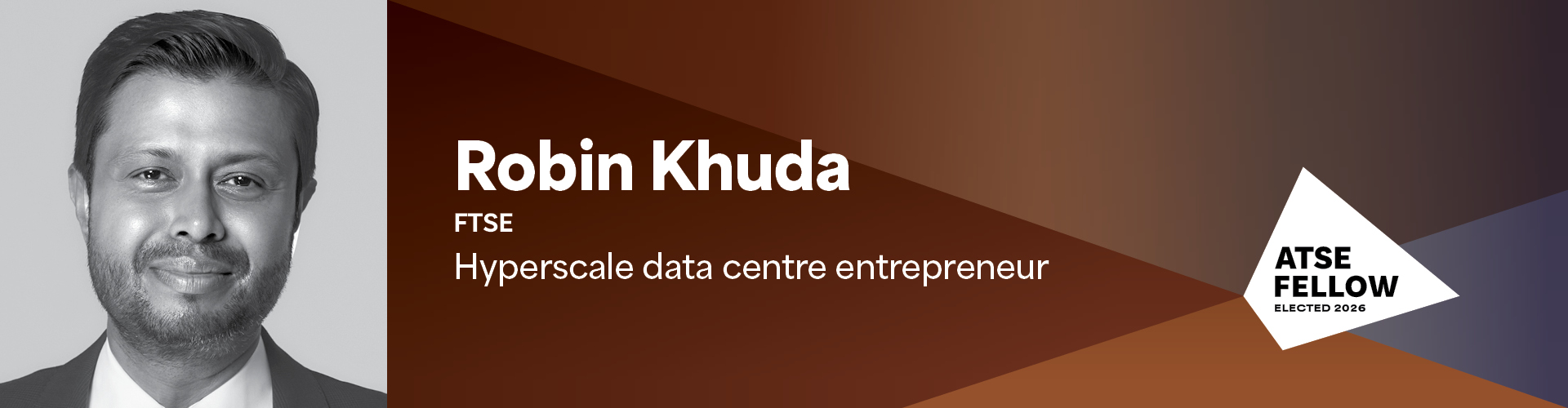
Robin Khuda is the Founder and CEO of AirTrunk, which develops and operates data centres across Asia-Pacific and the Middle East. Data centres support essential infrastructure that powers everyday life, from online services to communications. AirTrunk was acquired by Blackstone and CPP Investments in 2024 for A$24 billion. Khuda continues to lead the company’s focus on responsible development, resource efficiency and long-term community value. His commitment to social impact is also reflected in the Khuda Family Foundation, which he founded and through which he donated A$100 million to the University of Sydney to support a 20-year program creating STEM pathways for girls from Western Sydney.
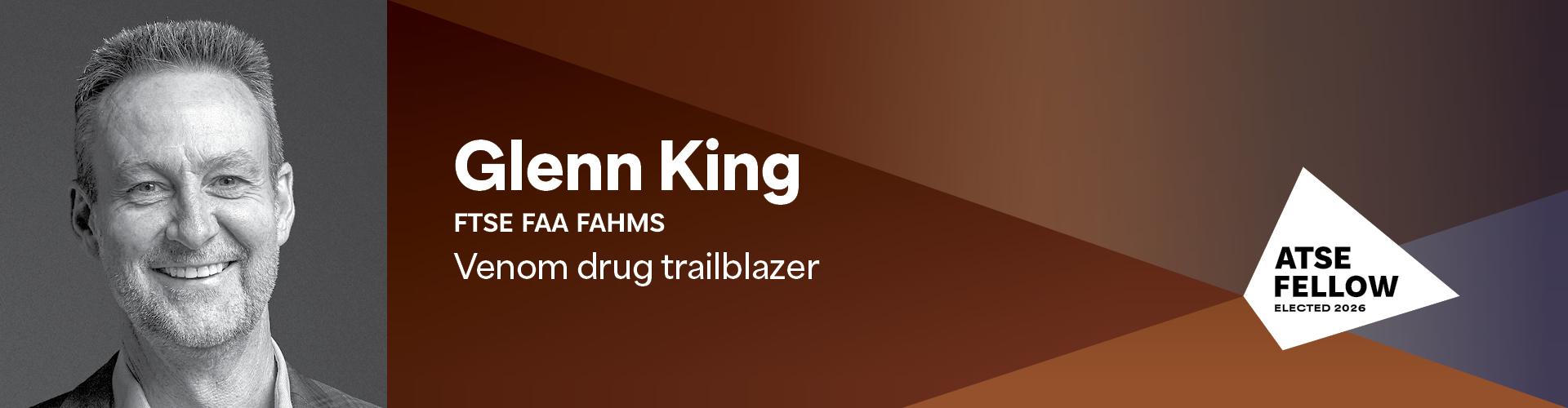
Professor Glenn King is the leading international authority on arthropod venoms and harnessing their components for human therapeutics and next-generation bioinsecticides. His research spans fundamental studies of venomous animals – uncovering the evolution, composition and diversity of venoms – to research translation via the founding of three start-up companies. From the funnel-web spider venom, he developed the world’s first peptide-based bioinsecticide that is safe for humans and bee-friendly. This discovery has been commercialised via Vestaron, now valued at $1 billion. His lab has also identified new drug candidates in venom, including intraoperative imaging agents and leads for the treatment of epilepsy, heart attack, stroke, and chronic pain associated with endometriosis and irritable bowel syndrome. As co-founder of Infensa Bioscience, he has guided a promising heart attack treatment derived from funnel-web venom into clinical trials. In 2023, Professor King received the Prime Minister’s Prize for Innovation for his groundbreaking translational research.
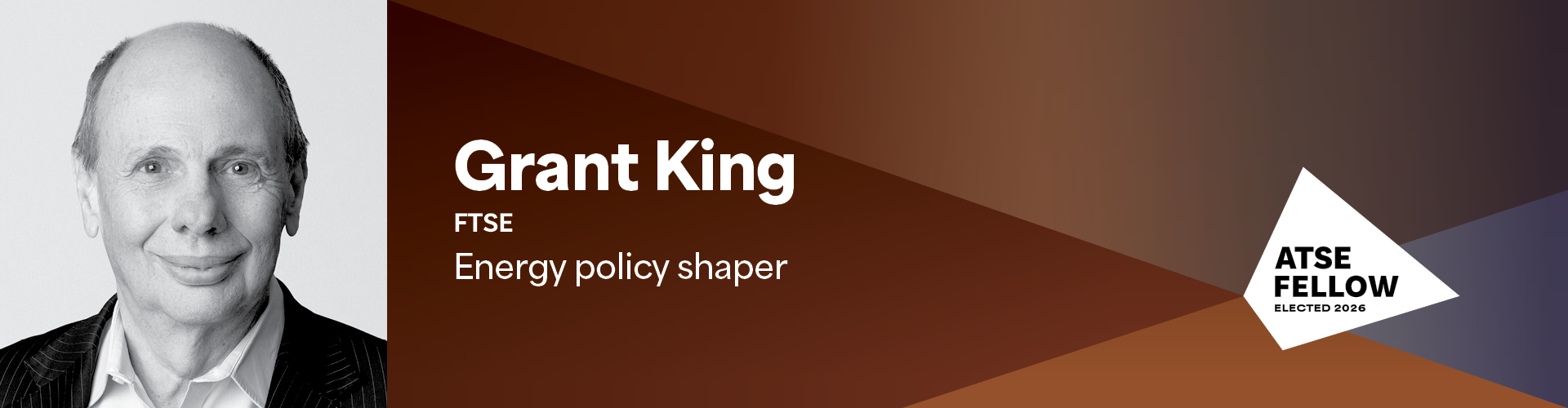
Grant King’s career is defined by visionary leadership, technological innovation and an enduring contribution to Australia’s energy sector. As a former Managing Director of Origin Energy, Grant King led one of the nation’s most significant transformations in an energy company. In this effort, he integrated energy transition with major investments in generation, retail and natural gas. He also played a pivotal role in advancing the Australia Pacific LNG project in Queensland, strengthening Australia’s position in global energy markets and supporting domestic energy security and transition. King has also contributed extensively to public policy, innovation and industry development through board and advisory roles, including Sydney Water, the Climate Change Authority, Transgrid and the Great Barrier Reef Foundation. He also served as President of the Business Council of Australia.
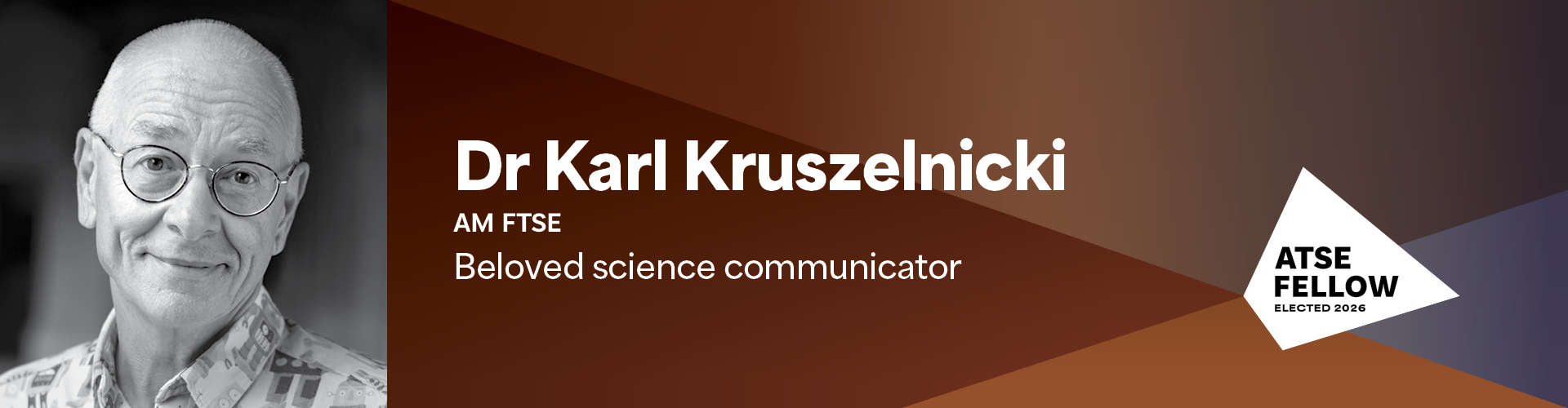
HONORARY FELLOW
Dr Karl Kruszelnicki is a household name across Australia for his more than 40 years of public communication of science and technology across radio, TV, books, podcasts and online. Many people’s introduction to the wonders of science and the joy of curiosity in the world around us, Dr Karl has been celebrated in Australia and around the world, including through the 2019 UNESCO Kalinga Prize for the Popularisation of Science and the 2002 Ig Nobel for research into belly button lint. An unparalleled presenter and communicator of both science and the pure pleasure we can all derive from it; Dr Karl is a much- loved Australian icon and an inspiration to science communicators worldwide.
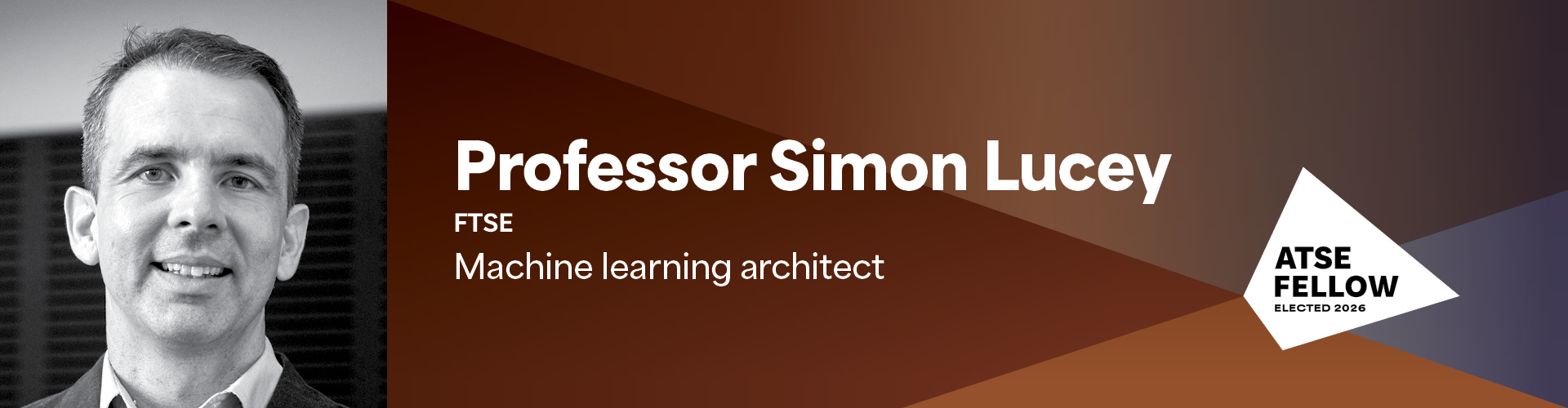
Professor Simon Lucey is an internationally recognised AI researcher whose work has advanced foundational methods in machine learning and computer vision and enabled their deployment in large-scale engineering systems. His contributions to visual representation, efficient learning algorithms and autonomous perception have been translated into safety-critical autonomous vehicle platforms, large-scale financial systems and widely adopted benchmark datasets used across academia and industry. As Director of the Australian Institute for Machine Learning, he led the development of nationally significant AI capability, training a skilled workforce and overseeing major partnerships across government and global technology and defence organisations. Through research, translation and institution-building, he has strengthened Australia’s capacity to develop and deploy advanced AI technologies and contributed to the global evolution of modern machine learning.
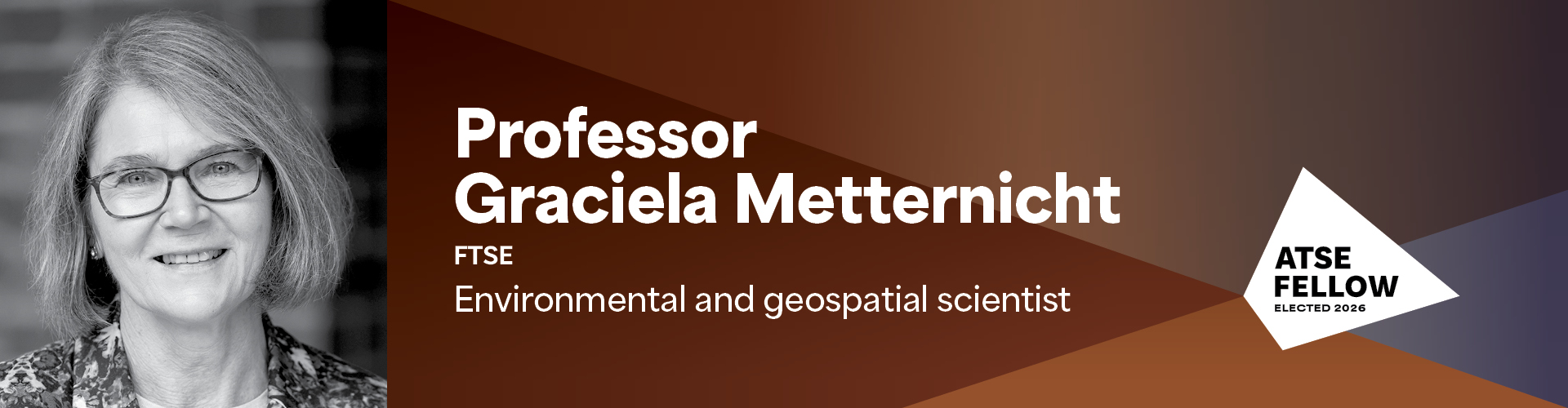
Professor Graciela Metternicht has made outstanding contributions to the development and application of geospatial technologies, earth observation and integrated environmental assessment to address complex sustainability challenges. Her research – spanning land degradation, spatial planning and sustainable development – has informed governments, industry and international organisations. She has developed earth-observation methods to translate complex environmental data into decision support systems. These operational solutions have generated on-the-ground impact in agriculture, carbon projects and landscape restoration. Professor Metternicht has contributed expertise to global science‐policy processes through the United Nations Environment Programme, the World Meteorological Organization, the UN Convention to Combat Desertification and Intergovernmental Science-Policy Platform on Biodiversity and Ecosystem Services. Through senior leadership roles in academia, she has built interdisciplinary teams, mentored emerging researchers and scaled inclusive STEM initiatives. She also serves as a member of the Threatened Species Scientific Committee, providing independent evidence-based advice to strengthen biodiversity conservation and support biodiversity conservation in Australia.
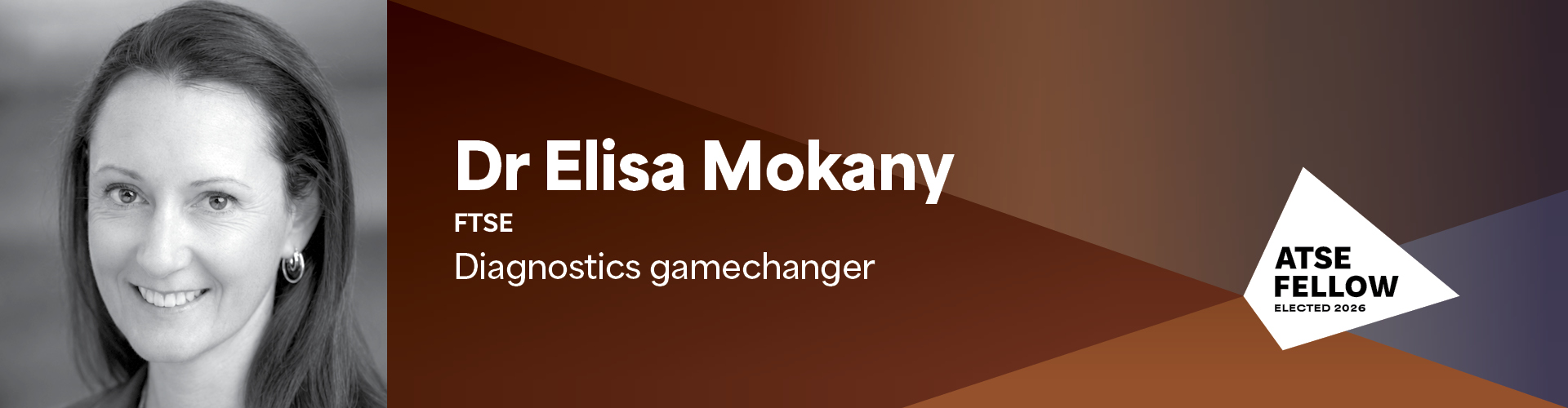
Dr Elisa Mokany is a biotechnology changemaker and molecular innovator whose work has advanced the field of infectious disease diagnostics and antimicrobial resistance detection. As a founder and scientific leader at SpeeDx, she has driven the development and commercialisation of novel molecular diagnostic technologies, now translated into fully approved products adopted across international markets. Her innovations enable more precise, rapid and scalable diagnostic solutions, supporting informed clinical decision-making and improved patient outcomes globally. Her breakthroughs have contributed significantly to strengthening Australia’s position in precision diagnostics and to global efforts addressing antimicrobial resistance. Dr Mokany also contributes her expertise to accelerate antimicrobial stewardship through advisory roles with the AMR Hub and CARB-X. She has been the recipient of numerous prestigious awards including the Prime Minister’s Prize for Innovation in 2022 and the Clunies Ross Award for Innovation in 2020.
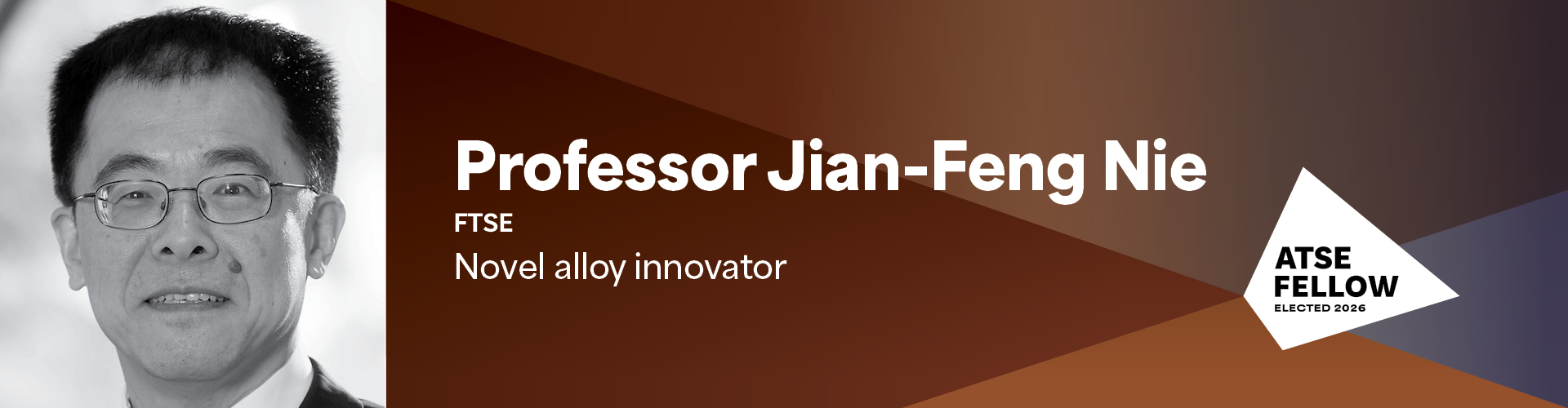
Jian-Feng Nie is a leading innovator in light alloys whose research has encompassed manufacturing capability, commercial value creation, and global industrial impact. Through advances in alloy chemistry and microstructural control, he has pioneered high-performance magnesium alloys suitable for demanding engineering applications. This includes magnesium alloys deployed in the 2024 Chevrolet Corvette E-Ray and other automotive products, delivering substantial weight reduction, efficiency gains, and enhanced recyclability and sustainability in a multi-billion-dollar global automotive market. He also invented other patented magnesium alloys and processing methods now adopted by the world’s largest steelmaker, enabling them to enter the magnesium market in 2020. In parallel, his breakthroughs in biodegradable metals underpin next-generation orthopedic implants advancing clinical translation and patient care. Professor Nie is also shaping materials science research through his roles overseeing four premier materials science journals.
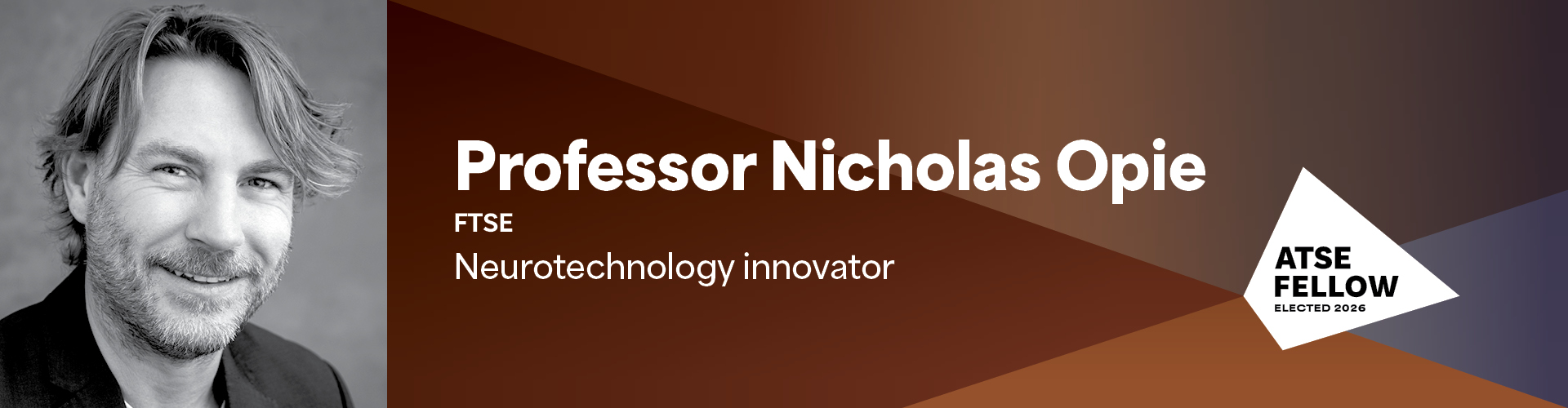
Professor Nick Opie is a pioneering and multi-award-winning biomedical engineer. He has played a leading role in the development and clinical translation of multiple life-changing inventions, including bionic eyes, brain-computer interfaces and deep-brain stimulation systems. He is a founder and director of two neurotechnology companies. At Synchron, he led the design, fabrication and clinical testing of Stentrode, a neural interface that has restored communication and independence to people with severe paralysis. At Ultra Bionics, he is advancing novel deep-brain neuromodulation technology to improve the lives of people with neurological and neuropsychiatric conditions, and he was recently appointed Director of ASX-listed company Control Bionics. Professor Opie has mentored and trained more than 85 teams and individuals to develop and grow their own startups. He is a scientific advisor to eight medical technology companies.
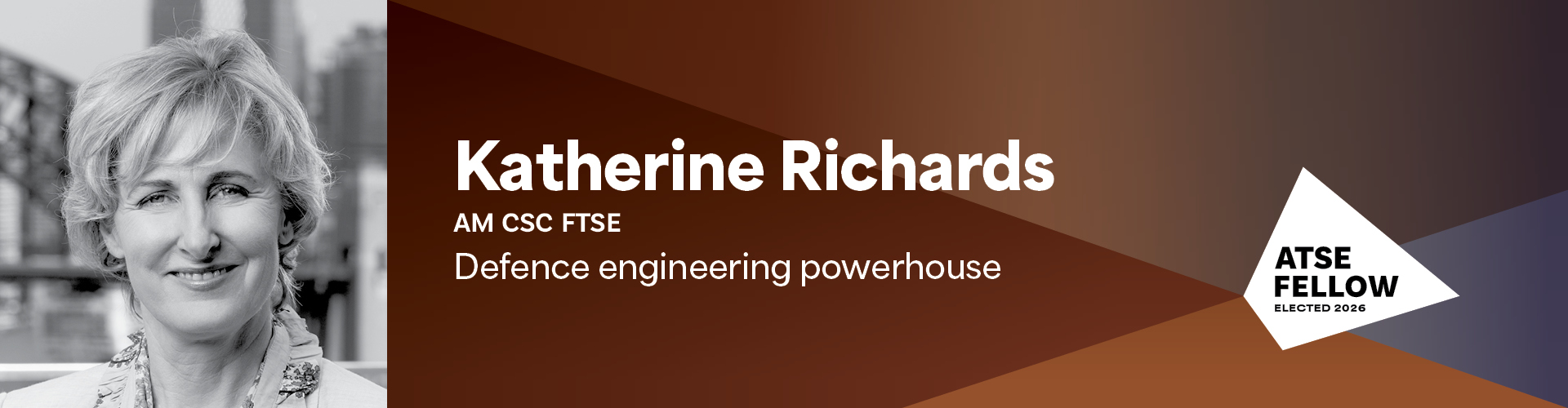
Katherine Richards has made an outstanding contribution to Australia’s engineering, nuclear safety and national security during both her military and civilian careers.
For over 36 years, Katherine Richards served in the Royal Australian Navy with distinction. She was the first woman to lead a warship’s engineering department. She saw operational service in the Sub-Antarctic, Solomon Islands and Persian Gulf. As a Rear Admiral, she was appointed as the Head of Navy Engineering. Leading over 5,000 engineers, she ensured the safety, technical integrity and regulatory assurance of the naval fleet.
On completion of this role, she was tasked with designing the new regulatory system for the AUKUS program and led the creation of the Australian Naval Nuclear Powered Safety Regulator.
Following her retirement from active service, Katherine Richards became the Chief Engineer for Engineers Australia. In this role, she is a key public voice for the nation’s engineers and leads national conversations that centre on technology and workforce issues. A passionate advocate for engineering and STEM, Katherine champions the visibility of STEM roles for children. Her work with the not-for-profit sector is focused on helping young people to reach their potential in technology-based careers.Her achievements have been recognised through the Conspicuous Service Cross, Member of the Order of Australia, and Honorary Fellowship of Engineers Australia. As an ANSTO Board Member and Chief Engineer at Engineers Australia, she continues to provide national leadership, advancing Australia’s engineering capability and the STEM workforce.
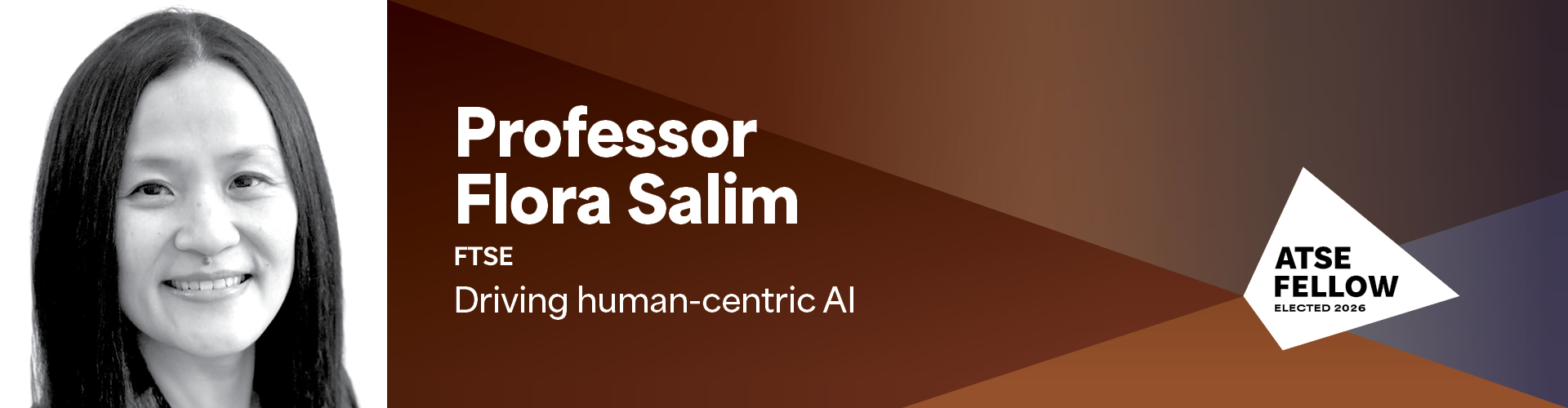
Professor Flora Salim is a highly regarded authority in artificial intelligence, machine learning and spatiotemporal data analytics. She pioneered foundation-model approaches for time-series and multimodal data, establishing cross-modal machine learning and alignment methods – including with large language models – that now influence international research and industrial practice, and have been adopted by major industrial research labs. Her work is shaping best practice in automated decision-making, and underpins AI systems used in defence decision support, urban mobility forecasting, energy-efficient buildings and infectious disease modelling. She has delivered real-world decision-making systems with patented and deployed solutions in productivity software, digital health, transport systems, smart cities and digital infrastructure. Professor Salim leads major multidisciplinary research programs advancing responsible and explainable AI, and harnessing machine learning to deliver trustworthy carbon emissions and sustainability reporting. She also shapes national research direction through roles on the Australian Academy of Sciences’ National Committee for Information and Computing Sciences and as a member of the Australian Research Council College of Experts.
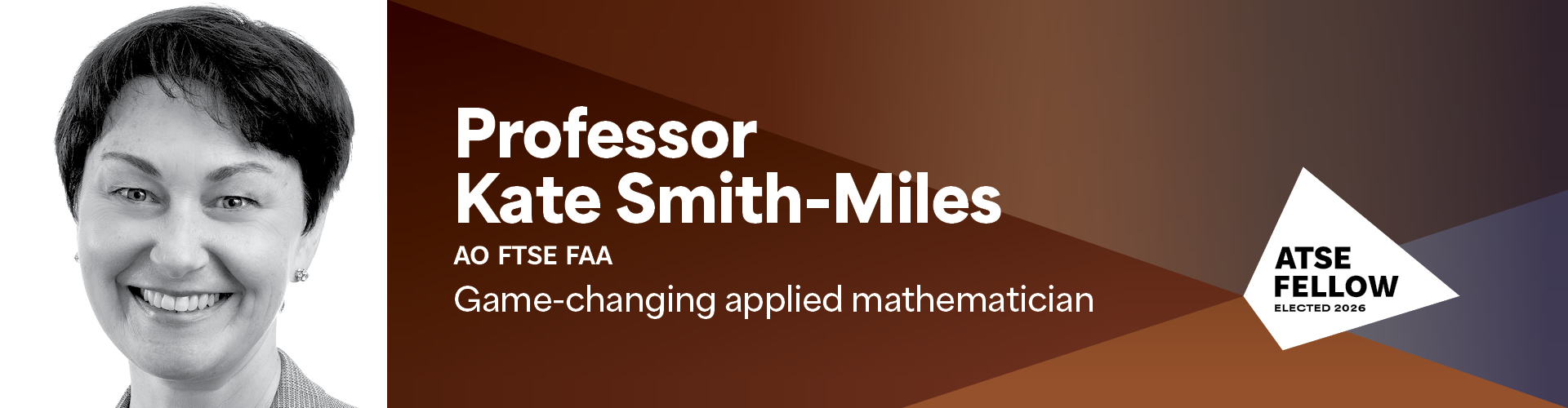
Laureate Professor Kate Smith-Miles is known for her paradigm-shifting research in applied mathematics. Her Instance Space Analysis methodology provides a mathematically rigorous foundation for stress testing algorithms, solving a long-standing challenge in algorithm performance. It has had a profound impact on research practice and is used internationally by thousands of researchers and industry groups across optimisation, machine learning, AI, scheduling, logistics and many other computational fields. Her techniques have been applied in medical diagnostics, manufacturing design, water quality management and defence and quantum capability assessment.
Professor Smith-Miles supports research capability, integrity and policy as Pro Vice-Chancellor, and is an outstanding mentor and diversity champion. She proposed and led an ARC Industrial Transformation Training Centre where PhD students work with industry, improving productivity and efficiency by using mathematical optimisation techniques to solve complex problems. She has been recognised with prestigious awards from the Australian Mathematics and Applied Mathematics Societies.
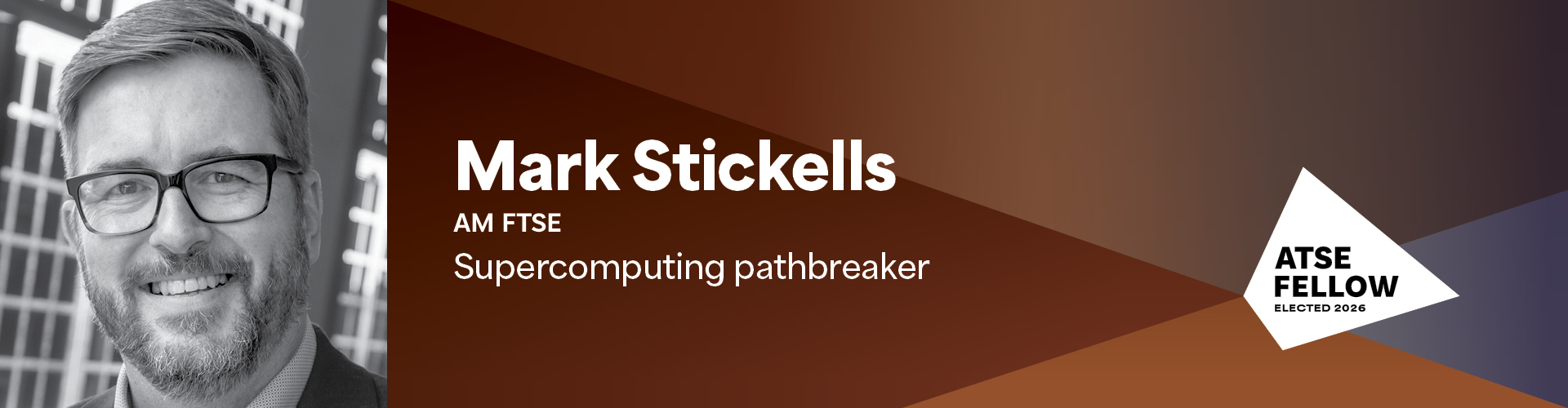
Mark Stickells is an accomplished leader in advanced research infrastructure. As CEO of the Pawsey Supercomputing Research Centre, he has led Australia’s most significant step-change in high-performance computing (HPC), delivering the Southern Hemisphere’s most powerful research supercomputer. He also pioneered world-first hybrid quantum–classical integration within a production HPC environment. Under his leadership, Pawsey has evolved from a specialist academic facility to national digital infrastructure supporting thousands of researchers across climate science, health, AI, advanced manufacturing and astronomy. He also instigated a program through which hundreds of Australian researchers have modernised and optimised their software for next-generation systems, uplifting the sector’s efficiency and impact. Stickells is an influential policy advisor, with director roles at Science and Technology Australia and the Australian Research Council. He has materially strengthened Australia’s scientific competitiveness and positioned the nation among global advanced computing leaders.
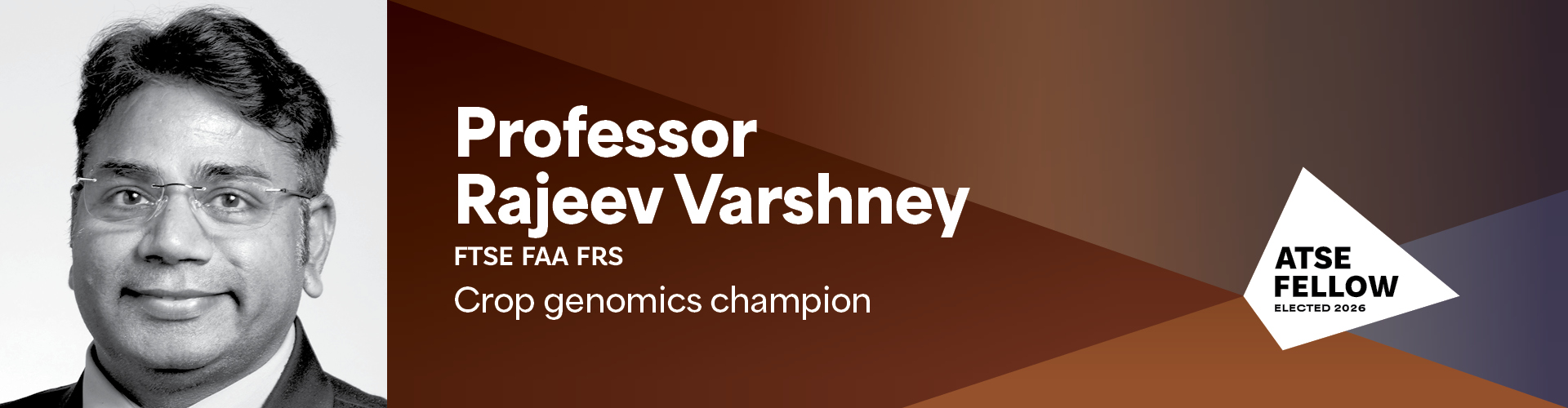
Professor Rajeev Varshney has reshaped the global landscape of agricultural biotechnology, translating genomic insights into industry partnerships, scalable platforms and practical tools for major crops. His work has contributed to the development of high-yielding and climate-resilient crop varieties for Australia, Asia and Africa, delivering improved productivity and stability under challenging environments. In Australia, his breakthrough approach has created cost-effective and accessible genomic resources and breeding platforms for wheat, pulses and horticultural crops, accelerating precision breeding. His work has strengthened Australia’s biotechnology capability, supporting grower profitability, sustainability and global competitiveness across the nation’s $100-billion agricultural sector. A strong advocate for STEM diversity, equity and inclusion, he has trained more than 450 scientists across the globe and raised the profile of Australian agricultural science on the world stage.
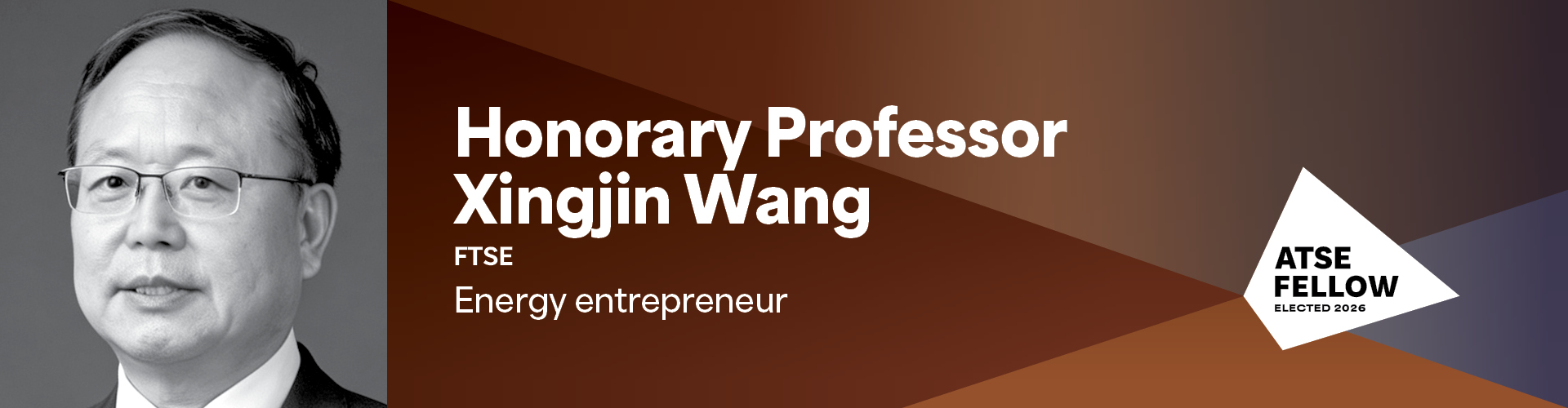
Honorary Professor Xingjin Wang has transformed Australia’s unconventional gas sector and demonstrated outstanding leadership in energy innovation. His discovery of enhanced coal seam gas (CSG) permeability contributed to the theoretical foundation that enabled the modern CSG industry to develop in Australia. Applying a breakthrough tight gas exploration approach, he revived the previously mothballed Denison Trough Gas fields, establishing Denison Gas as a growing, reliable domestic supplier. His work has secured hundreds of millions of dollars in overseas investment into Australia, created hundreds of jobs locally and established meaningful partnerships with the native title holders in Queensland. Honorary Professor Wang has facilitated landmark collaboration between the University of Queensland, international research institutes and industry to investigate the repurposing of depleted gas fields for compressed air energy storage projects. His innovations address Australia’s energy security and resilience, as well as resource development and new energy technologies.
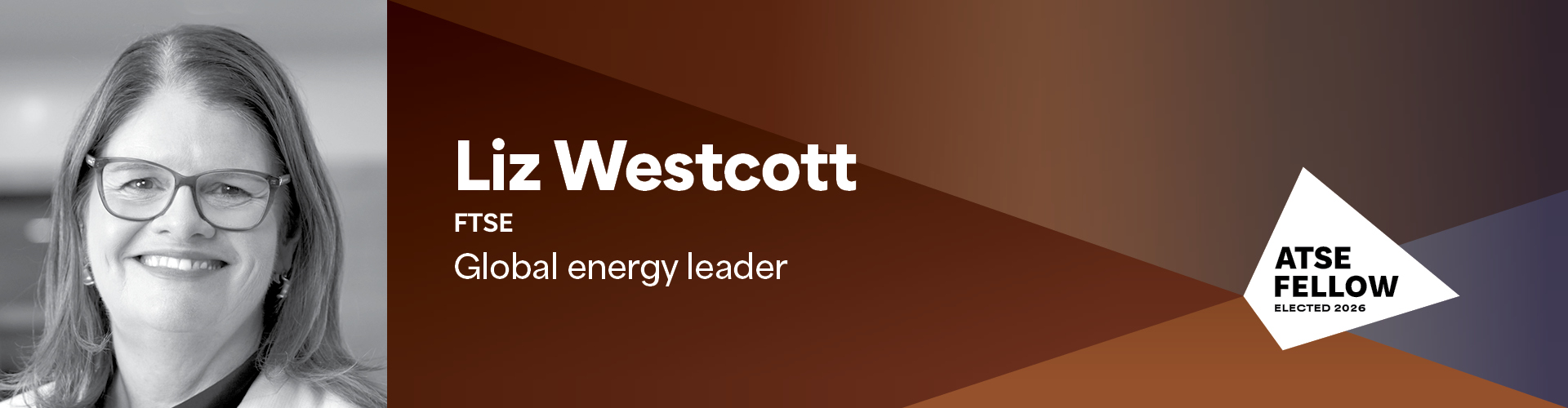
Liz was appointed Chief Executive Officer and Managing Director of Woodside in March 2026. She is a highly regarded business and engineering leader with a distinguished career spanning the global energy sector. Beginning her career with 25 years at ExxonMobil, she has demonstrated impact in major project delivery, technology innovation and industrial commercialisation. At Woodside Energy, she has created and implemented pivotal strategies to position Woodside’s Australian business for the future, securing operatorship of the massive Gippsland Basin Joint Venture in addition to operating the signature North West Shelf and Pluto LNG projects. Under her leadership, Woodside is working to develop and deploy science and engineering technology that enhances safety, efficiency and environmental performance, including digital twin technology to monitor asset performance and helicopter-mounted LIDAR to detect and measure methane emissions. A prominent advocate for gender equity in STEM and industry leadership, Westcott actively supports initiatives that strengthen diversity and inclusion across the engineering and energy sectors. She is also a member of Executive Women.
FOREIGN FELLOW
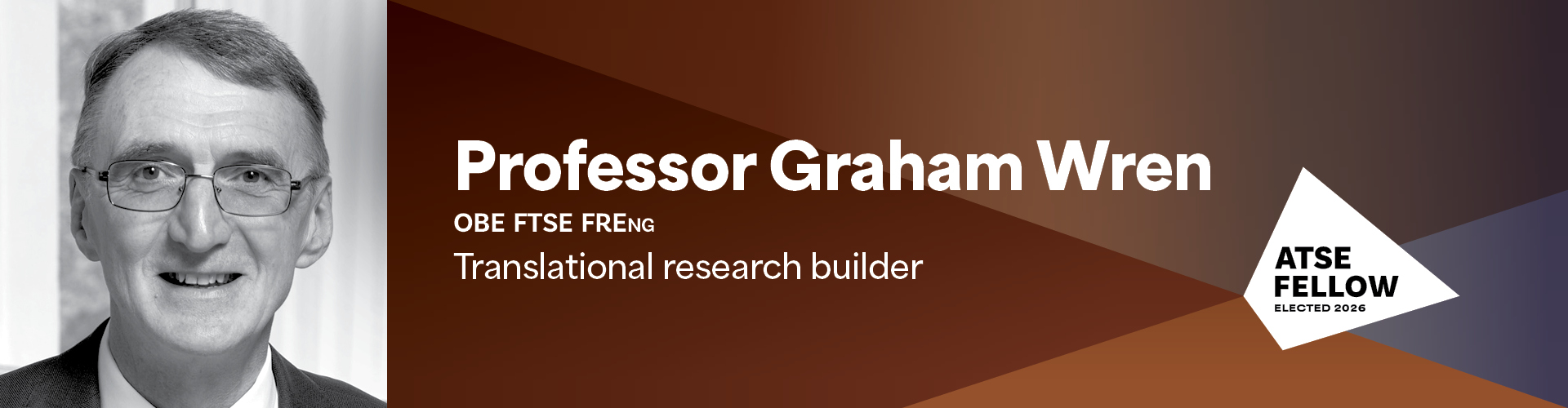
Professor Graham Wren is an internationally distinguished engineering leader and innovation strategist. His career, spanning more than 40 years, has been defined by the creation of enduring infrastructure, cross-sector collaboration models and international research ecosystems. He has shaped globally significant initiatives in advanced manufacturing, energy systems, aerospace and technology translation, delivering economic growth and industrial transformation. He has chaired an international review team, that examined the business case for government investment in enhanced facilities and capabilities for Australian nuclear security science supporting national security, resilience and international compliance.
He is Distinguished Vice-Chancellor’s Fellow at UNSW, where he has led a UK–Australia proposal for a significant program supporting AUKUS. Professor Wren is renowned for his deep expertise in establishing and governing major research and innovation centres, aligning public investment with industry need, and accelerating commercialisation outcomes.
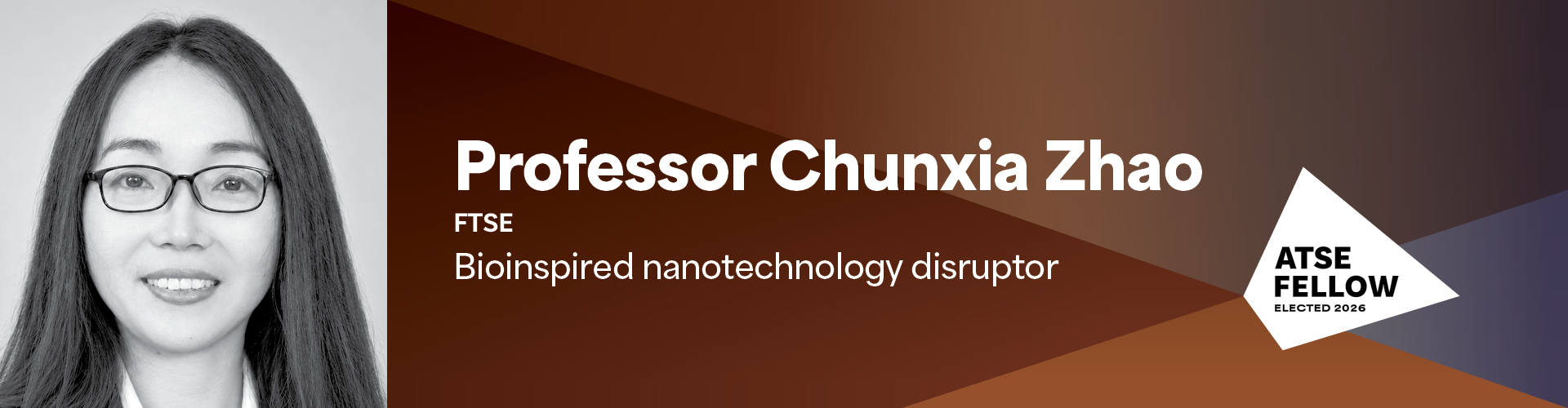
Professor Chunxia Zhao is a distinguished leader in nanobiotechnology whose disruptive innovations have strengthened Australia’s national capability in health, critical minerals and agriculture. As Director of the mRNA LIFT Platform and the Adelaide RNA Innovation Hub, she spearheaded the establishment of the nation’s mRNA therapeutics and manufacturing capability. Her pioneering biomining technology transcended disciplinary boundaries, repurposing a technique from drug development to design a green approach for separation of critical minerals. Professor Zhao has reimagined nanomedicine as a scalable, data-driven discipline, with her spinout company SA Nano Pty Ltd commercialising novel, cost-effective devices for synthesis and screening of nanoparticles. Her encapsulation technology underpinned the world’s first oral multi-organ radiation-protective nanomedicine for clinical translation, and in agriculture, it has improved animal feed additives in partnership with industry.
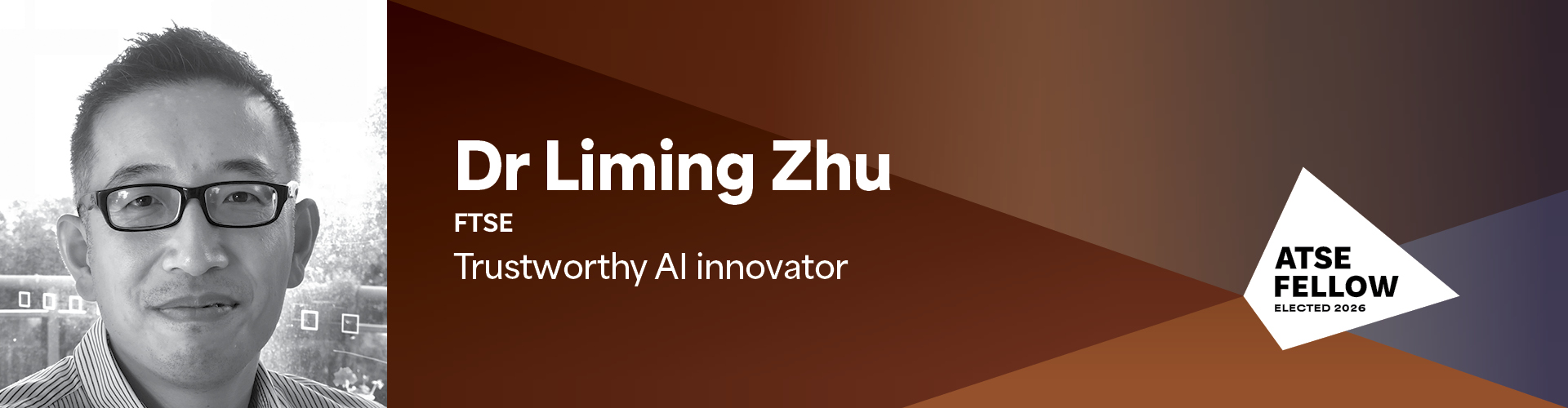
Dr Liming Zhu is a leading scientist in software and AI engineering who has helped establish responsible AI engineering as a rigorous lifecycle-based discipline. His research has advanced practical approaches for how AI systems are designed, verified, governed and safely deployed in real operational environments. He has provided technical leadership and expertise informing national AI safety standards and guidance, and advised governments on digital infrastructure, AI safety, cybersecurity and critical infrastructure resilience. His research and technical leadership have contributed to international standards and Australian digital infrastructure, including blockchain and distributed-ledger standards, the Consumer Data Right and industry data standards. He has also contributed to international policy via AI safety science initiatives through OECD.AI and the International AI Safety Report. His digital and AI research leadership within CSIRO, Australia’s national science agency, has strengthened the research ecosystem and contributed to the broader technology economy.

Diversity and Inclusion
Reconciliation Action Plan Equity, diversity and inclusion policy Diversity & Inclusion ToolkitConnect


Australian Academy of Technological Sciences & Engineering
Level 2, 28 National Circuit Forrest ACT 2603
+61 2 6185 3240 | info@atse.org.au
ABN 58 008 520 394 — ATSE is registered with the Australian Charities and Not-for-profits Commission,
and is a Deductible Gift Recipient (DGR).