Digging deep in Antarctic mud

Two weeks on board the Australian research ship RV Investigator, Talia Hawkes experienced first-hand the exhilarating aspects of scientific fieldwork and genuine cross-disciplinary collaboration.

Download 400.8kb / pdf
download

Digging deep in Antarctic mud.

Two weeks on board the Australian research ship RV Investigator, Talia Hawkes experienced first-hand the exhilarating aspects of scientific fieldwork and genuine cross-disciplinary collaboration.


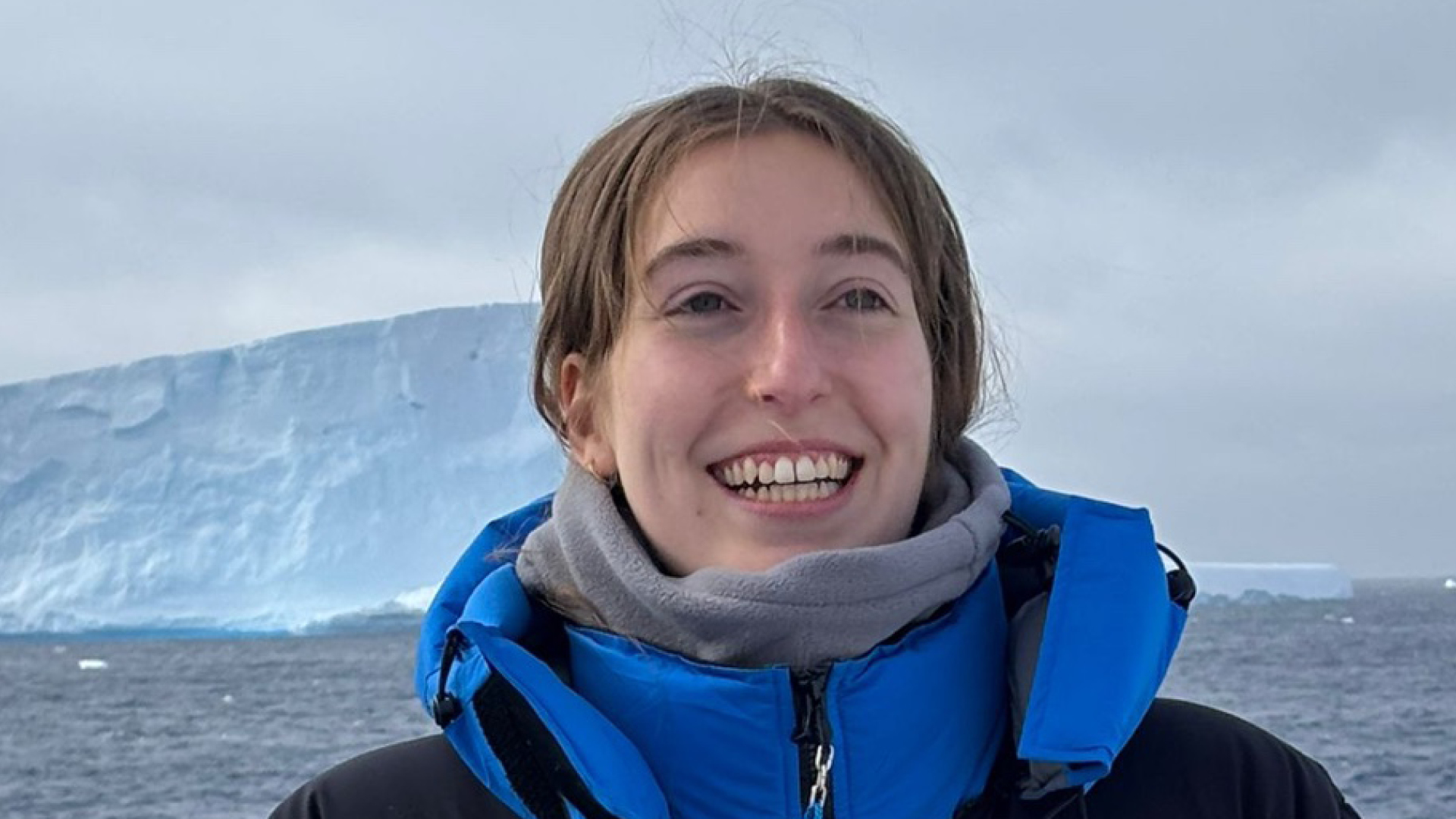
Talia Hawkes on board the Australian research ship RV Investigator.


A DEGREE IN paleoceanography can include a lot of looking at graphs, maps and spreadsheets. It can include long hours in the lab, deep research and a lot of reading. 

For PhD student from the University of Tasmania Talia Hawkes, it has also included a once-in-a-lifetime trip to Antarctica.

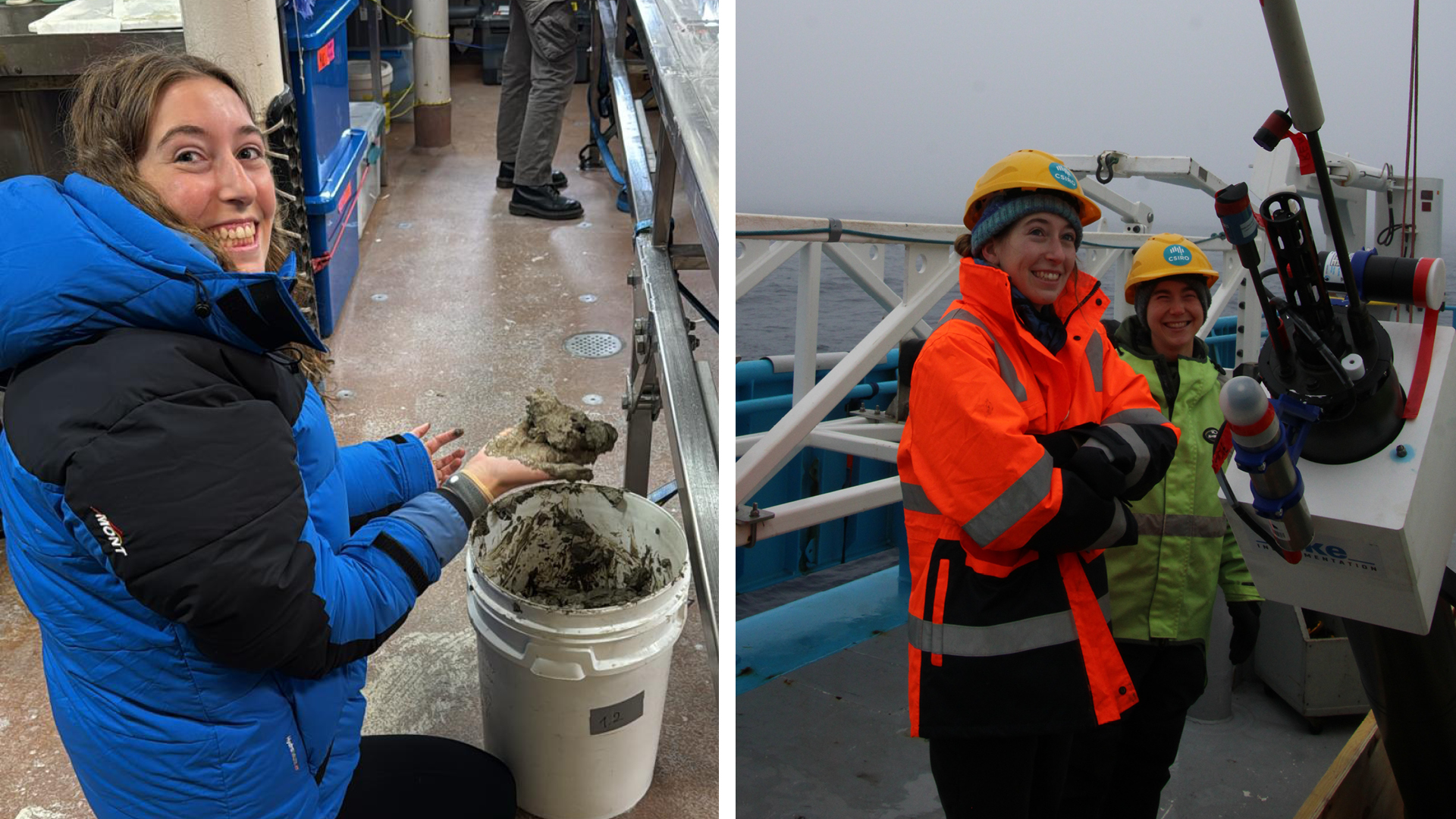
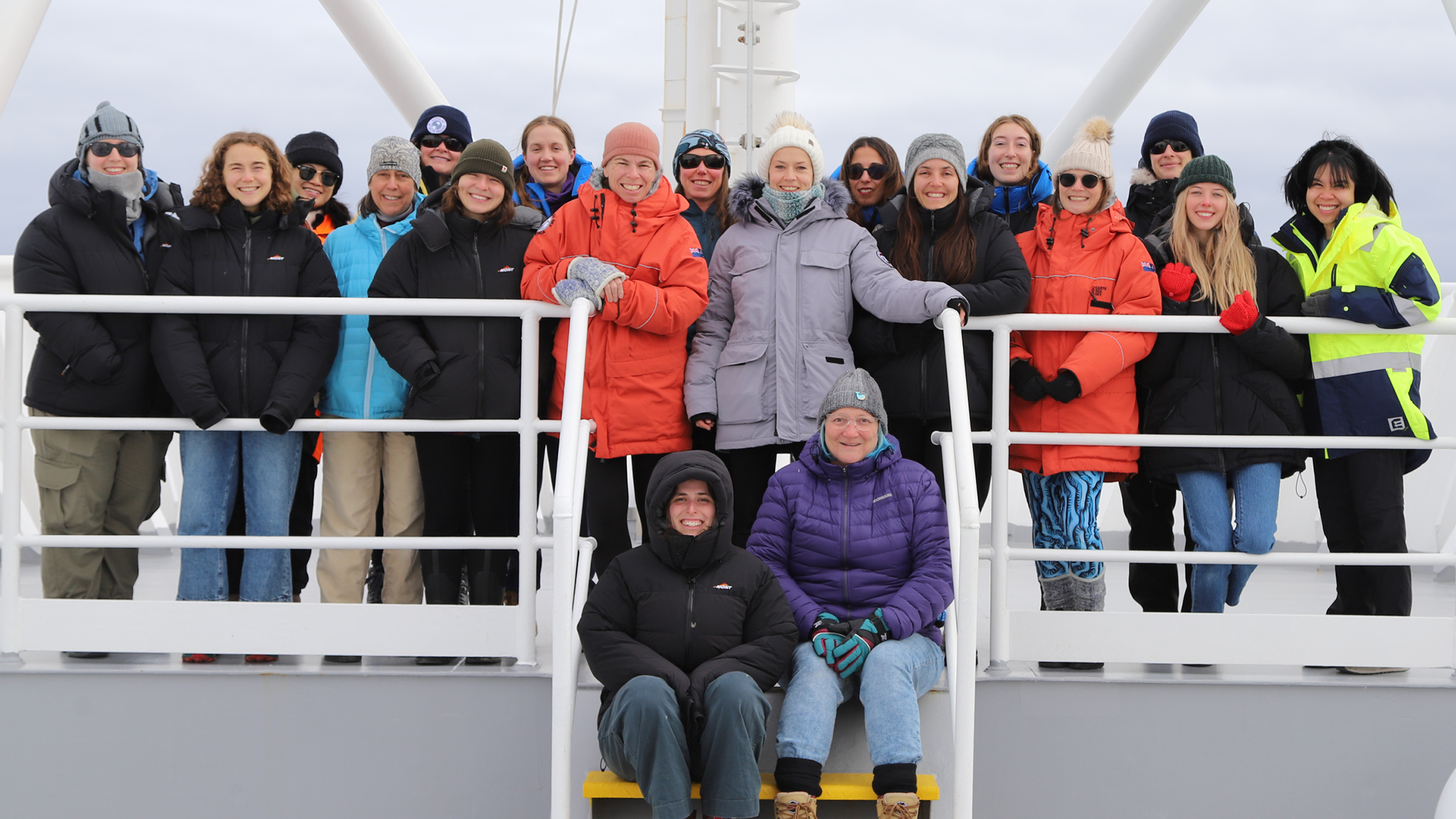
Spending two weeks on board the Australian research ship RV Investigator, Talia experienced first-hand the exhilarating aspects of scientific fieldwork and genuine cross-disciplinary collaboration. Among a group of fantastic scientists and crew members, she saw icebergs, felt the spray of the Southern Ocean and lived through the long days and short nights of an Antarctic summer.


IMP220 Hawkes 8
Multicore and trace metals team

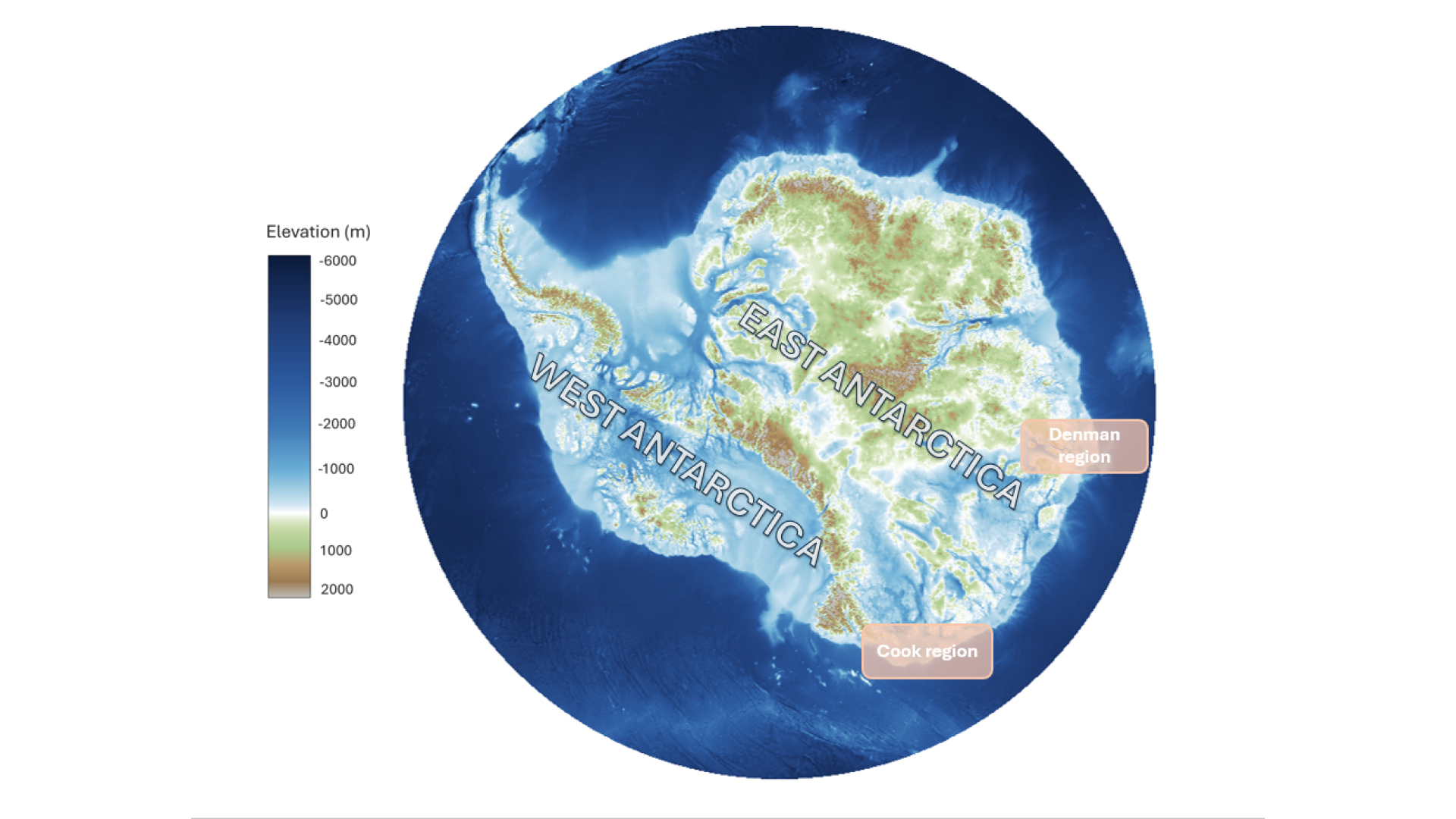
Understanding these ancient times helps us also understand the modern ocean –through the sediment, and in particular, through the lead isotopes found within it. Lead in the sediments can act as a proxy for lead in the water. Lead in the water tells us about meltwater running off the glaciers. How has it changed in the past? And what can that  tell us about sea level rise in the future? With 58 metres of possible sea level rise currently frozen in Antarctic ice, it’s critical we understand the rates of melt at various spots around the continent. Applying these methods in East Antarctica is scientifically novel and for Talia, “exciting and nerve-wracking.”  The numbers I mentioned were correct: The entire Antarctic Ice Sheet contains approximately 58 m of sea level equivalent (this is how much global sea levels would rise if it all melted), approximately 52 m of which is contained within the East Antarctic Ice Sheet.

IMP220 Hawkes 10
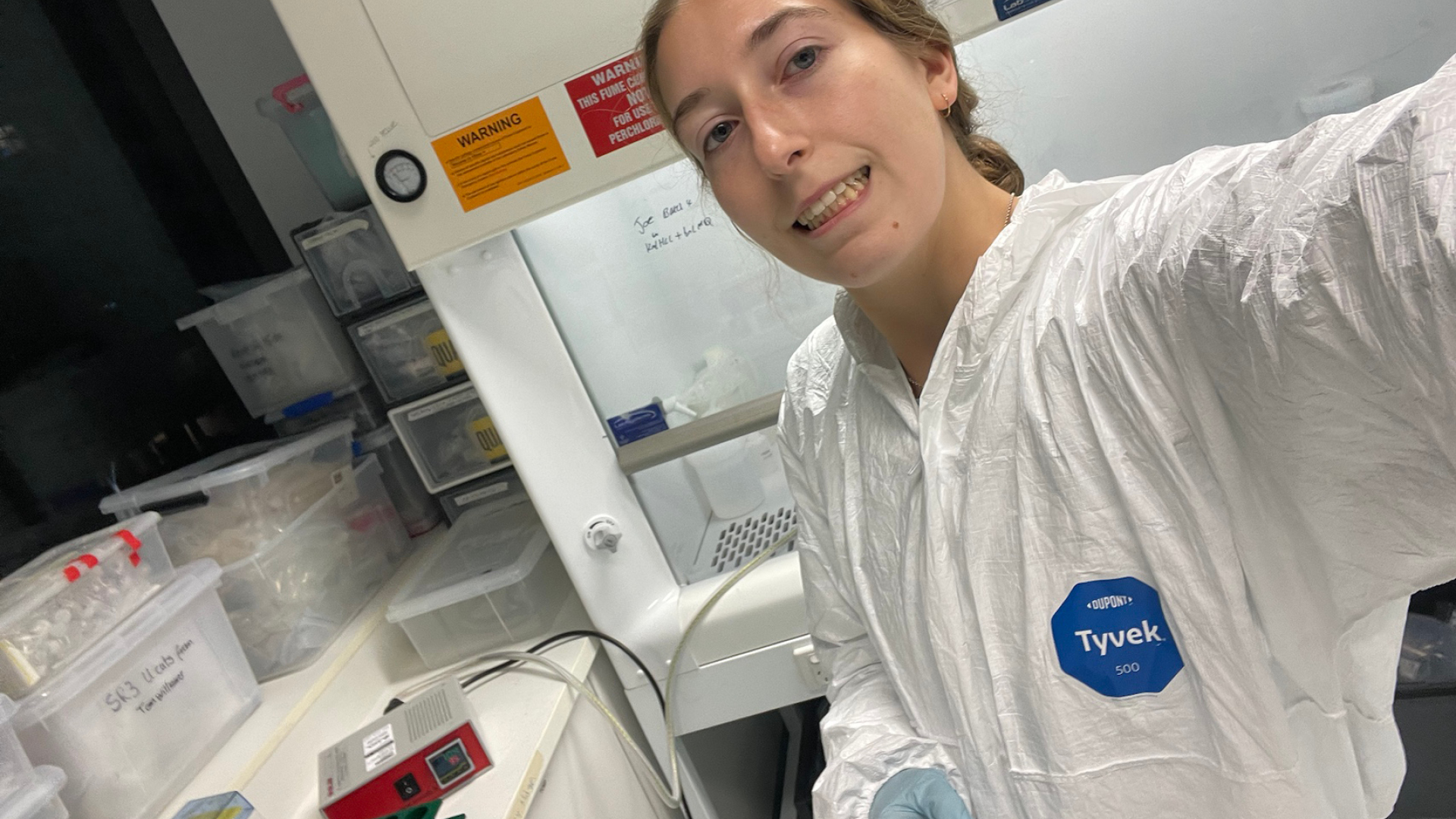
Talia's supervisor Taryn Noble and Talia at the MC-ICP-MS in Canberra


Impact #220

More Australian STEM stories from ATSE's IMPACT magazine.