Creating carbon solutions that work with agriculture
Across the vast landscapes of Australia lie millions of hectares of farms growing millions of tonnes of food for millions of people here and around the world.




Across the vast landscapes of Australia lie millions of hectares of farms growing millions of tonnes of food for millions of people here and around the world.

Now, farmers and their farms are being asked to contribute even more. This time, to carbon reduction efforts.
With a primary focus on food production, farms growing extra trees to suck up carbon from the atmosphere is not necessarily the best, cheapest or most effective way to use that land. Balancing the productivity of the farm, the cost to the farmer, the benefit to society and the feasibility of implementing an emissions reduction regime in the long-term takes careful listening, modelling and collaborating. Dr Matthew Harrison FTSE from the University of Tasmania collaborated with 7 farmers around Australia over a five-year period to model the different options available to them and the relative attractiveness of each.
Generous farmers provided their stories, their time, their farms and their expertise to showcase the complex matrix of decision making that they face. Alongside Matthew’s models, they reached a clear yet complex conclusion: emissions reduction on farms requires solutions tailored for each unique location to address underlying deficits, and often require additional support to make them viable. When done right, greenhouse gas mitigation, profit, biodiversity and productivity benefits can all increase together.
Cattle farms throughout Australia found that strategically swapping in new species of grasses for the cows to eat helped at the same time reduce methane emissions and increase productivity, making it a neat win-win for both the farmer and the climate.
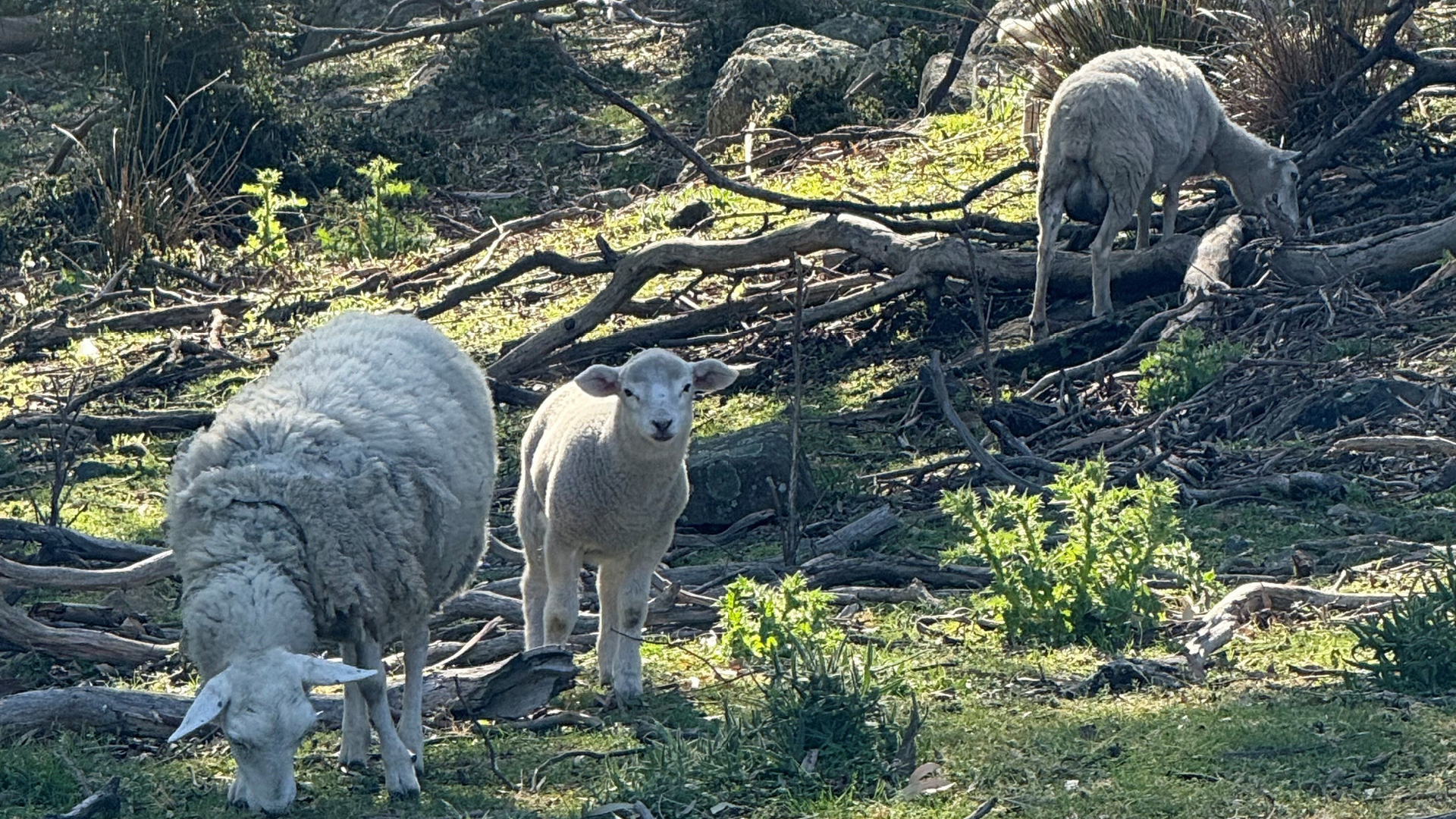
On other farms, fencing off areas near waterways and creating separate pasture areas, reducing lamb birthrates and increasing wool fineness, or improving biodiversity through native tree planting were all effective interventions.
Matthew’s approach of working alongside the farmers to understand their own circumstances brings clarity and realism to the outcomes.
He says “Most studies in this space focus on the effect of a single carbon farming method. This study is different – it combines agriculture, engineering, plant science and mathematics to improve the modelling and make the findings more applicable.”

In the end, there’s no single solution for reducing agricultural emissions. But many possible interventions that also lift productivity and increase profitability are available.
Financially, nature-based solutions often make better sense for farms than high-tech options. And combining multiple complimentary approaches works better than any single action.
The climate and biodiversity solutions will only scale if they make sense for the farms as businesses. That’s how we reach the best outcome of profitable, lower emissions agriculture in Australia.

Diversity and Inclusion
Reconciliation Action Plan Equity, diversity and inclusion policy Diversity & Inclusion ToolkitConnect


Australian Academy of Technological Sciences & Engineering
Level 2, 28 National Circuit Forrest ACT 2603
+61 2 6185 3240 | info@atse.org.au
ABN 58 008 520 394 — ATSE is registered with the Australian Charities and Not-for-profits Commission,
and is a Deductible Gift Recipient (DGR).